


The 2026 National Defense Strategy published last week arrived at a moment when the United States is being pulled in multiple directions at once. Pressure is building in Europe, the Middle East, the Indo-Pacific, and the Western Hemisphere simultaneously. What makes the document notable is not its ambition, but its restraint. It is unusually explicit about what the United States can no longer assume. The United States no longer has the freedom to respond everywhere at once without real tradeoffs, and acting as if it does has become a strategic risk.
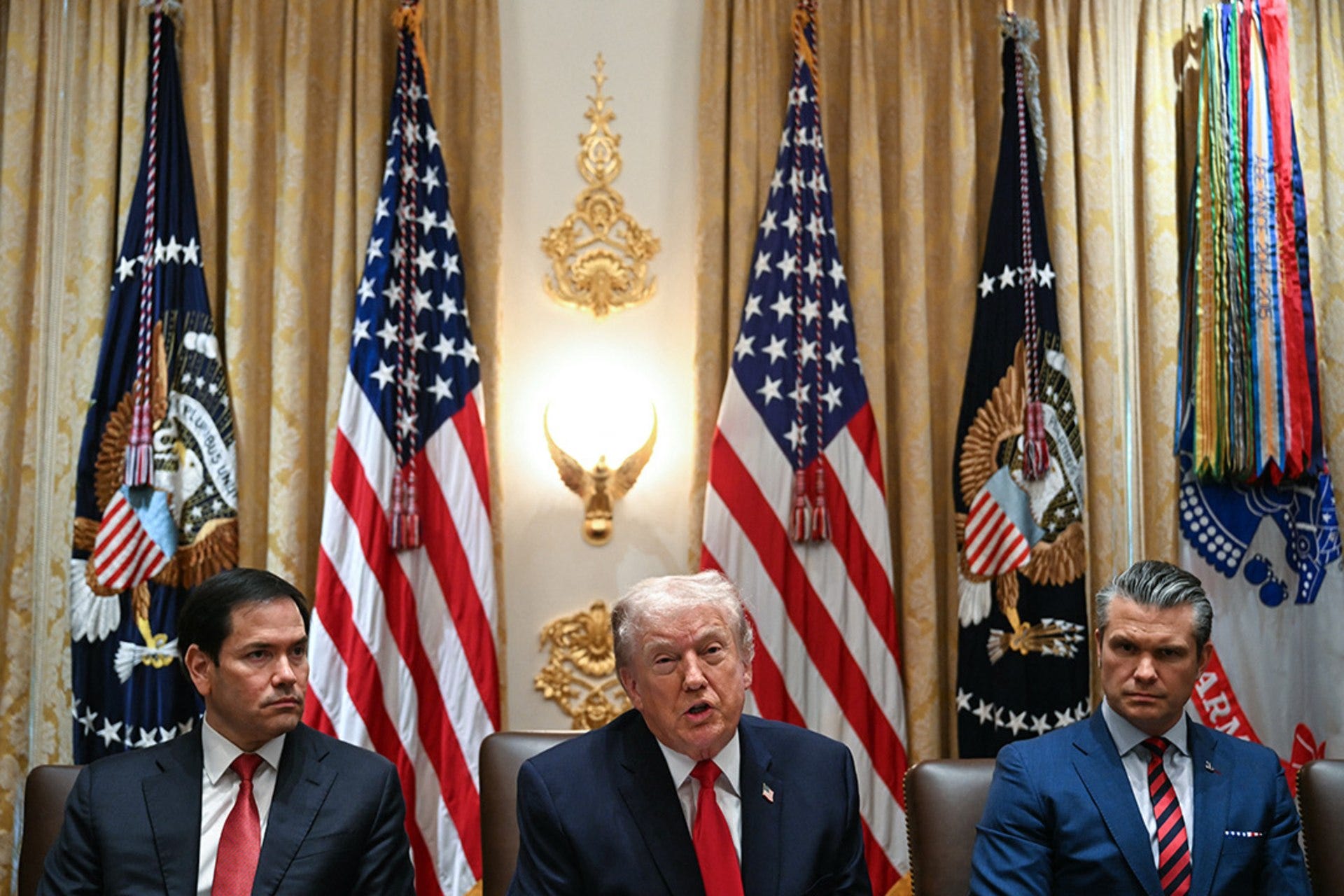
At its core, the 2026 National Defense Strategy is an argument for limits. It rejects the post–Cold War belief that American power can be stretched indefinitely without consequence. Instead, it treats prioritization as unavoidable. The document is clear that sustaining U.S. power over time requires accepting that some demands will go unmet. Strategic sustainability, not global dominance, is the organizing principle. This is not retrenchment. It is an attempt to align commitments with what the United States can realistically support.
That logic carries through to force planning. The strategy assumes one primary theater at a time, with risk managed elsewhere through deterrence rather than direct engagement. U.S. military structure, readiness cycles, and industrial capacity are not designed to support multiple prolonged high-intensity conflicts simultaneously. Rather than maintaining overwhelming presence everywhere, the strategy relies on making aggression difficult and costly, often through allied capabilities. This approach necessarily involves saying no to some missions and tolerating uncertainty outside the priority theater.
Homeland defense and stability in the Western Hemisphere anchor this framework. The strategy elevates defense of the U.S. homeland from an assumed condition to a central mission. Security in the Western Hemisphere is treated as foundational rather than peripheral. Latin America and border-related challenges are integrated into defense planning instead of being managed as adjacent issues. This emphasis implies moving attention away from open-ended expeditionary commitments, like the War in Afghanistan that do not directly support core security.
The document also reshapes expectations of allies. Europe is expected to carry the primary burden of defense against Russia. In the Indo-Pacific, allies such as Japan are expected to invest in capabilities that deter aggression rather than rely on constant U.S. intervention. The United States is cast less as a guarantor and more as a supporter and enabler. This is not framed as a preference but as a requirement imposed by real constraints. For this model to work, allies must believe that U.S. priorities are real and that Washington will not quietly absorb responsibilities it has publicly delegated.
That brings the strategy’s central vulnerability into view. A defense strategy only matters if it rules out actions leaders might otherwise be tempted to take. Prioritization loses meaning if every crisis is a candidate for intervention. Flexibility without exclusion turns strategy into explanation after the fact. American history offers repeated examples of defense strategies that failed not because they were flawed, but because political leaders treated them as advisory.
Recent U.S. behavior already tests whether the constraints outlined in the strategy are being enforced. Escalatory rhetoric toward Iran and sending an armada overseas signals a willingness to expand commitments beyond stated priorities. Military assets continue to be repositioned outside declared focal areas without corresponding reductions elsewhere.
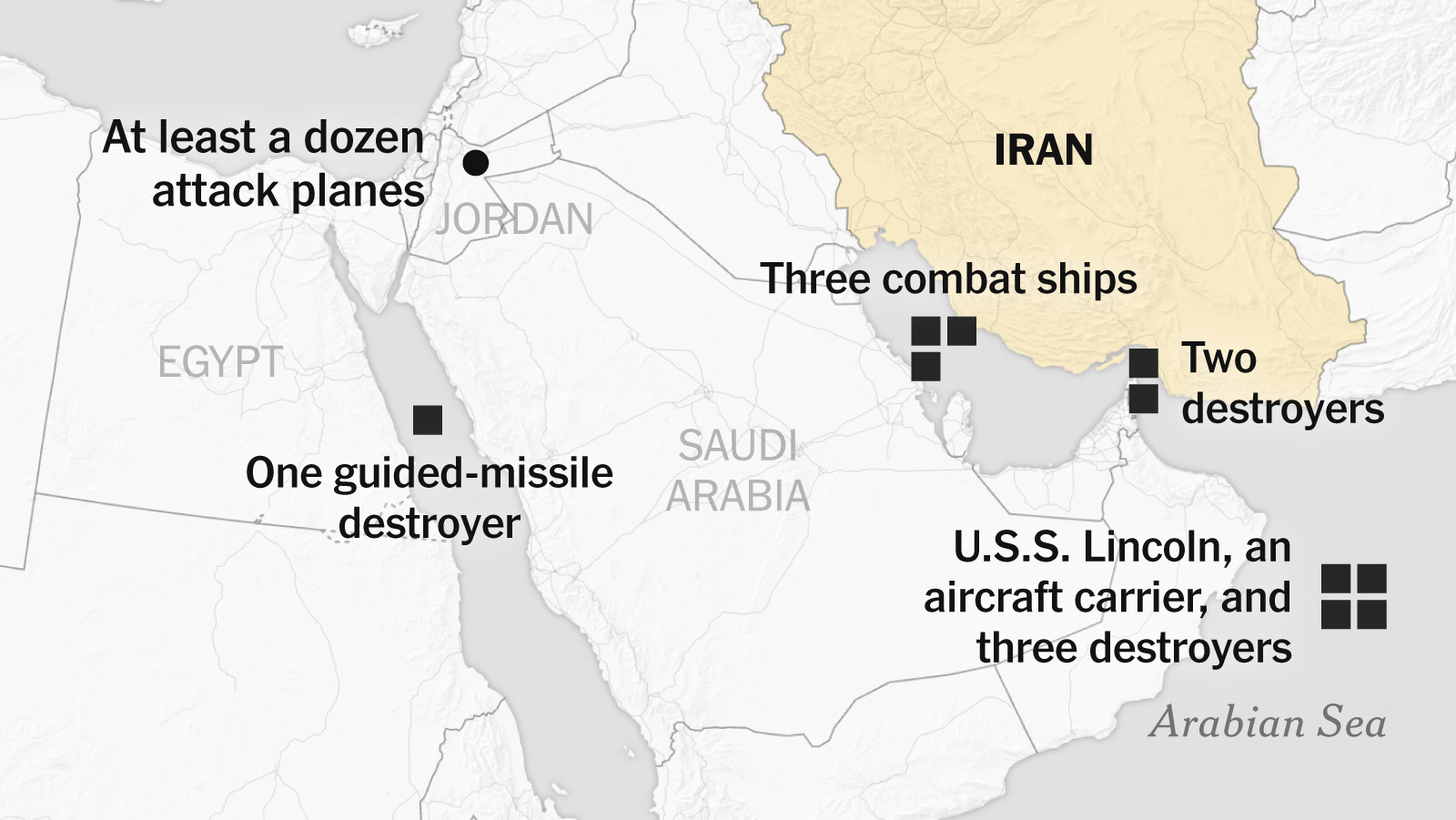
This signals that discretionary engagement remains an option, even as the strategy argues the opposite. At the same time, force-planning assumptions remain unchanged. If existing commitments are not reduced while new ones are added, overextension increases rather than recedes. The administration’s proposed defense budget, approaching $1.5 trillion, reflects a military preparing with even greater responsibility than in the past.
The result is a growing mismatch between strategy at different levels. The military is told to organize for restraint but asked to operate as it has, with homeland and hemispheric defense thrown on top of its existing obligations. Short-term responsiveness masks longer-term degradation. Resources are consumed incrementally, with risk deferred to future contingencies rather than resolved in the present.
This inconsistency shapes how others respond. Allies hear calls for burden sharing but see continued U.S. involvement across regions, weakening incentives to invest in autonomous defense. Adversaries observe that declared limits are conditional and learn that pressure can elicit engagement. Red-line testing becomes more attractive when priorities appear fluid.
The strategy ultimately forces a choice that cannot be postponed. Either secondary theaters remain secondary even when pressures rise, or the strategy must be rewritten to accept overextension openly. Maintaining both positions undermines credibility and erodes the very discipline the document seeks to impose.
The success of the 2026 National Defense Strategy will not be measured by what it enables, but by what it prevents. Restraint, not activity, is the test of seriousness. Discipline matters more than coherence on paper. Limits that are ignored do not remain limits for long.