


In preparation for potential landing of ground troops in Iran, the United States is moving Marines and amphibious assault ships toward the Persian Gulf. The Trump administration has reportedly been weighing whether to seize Kharg Island, a five-mile stretch of land twenty miles off the Iranian coast that handles 90 percent of Iran’s oil exports, as leverage to force Iran to reopen the Strait of Hormuz.
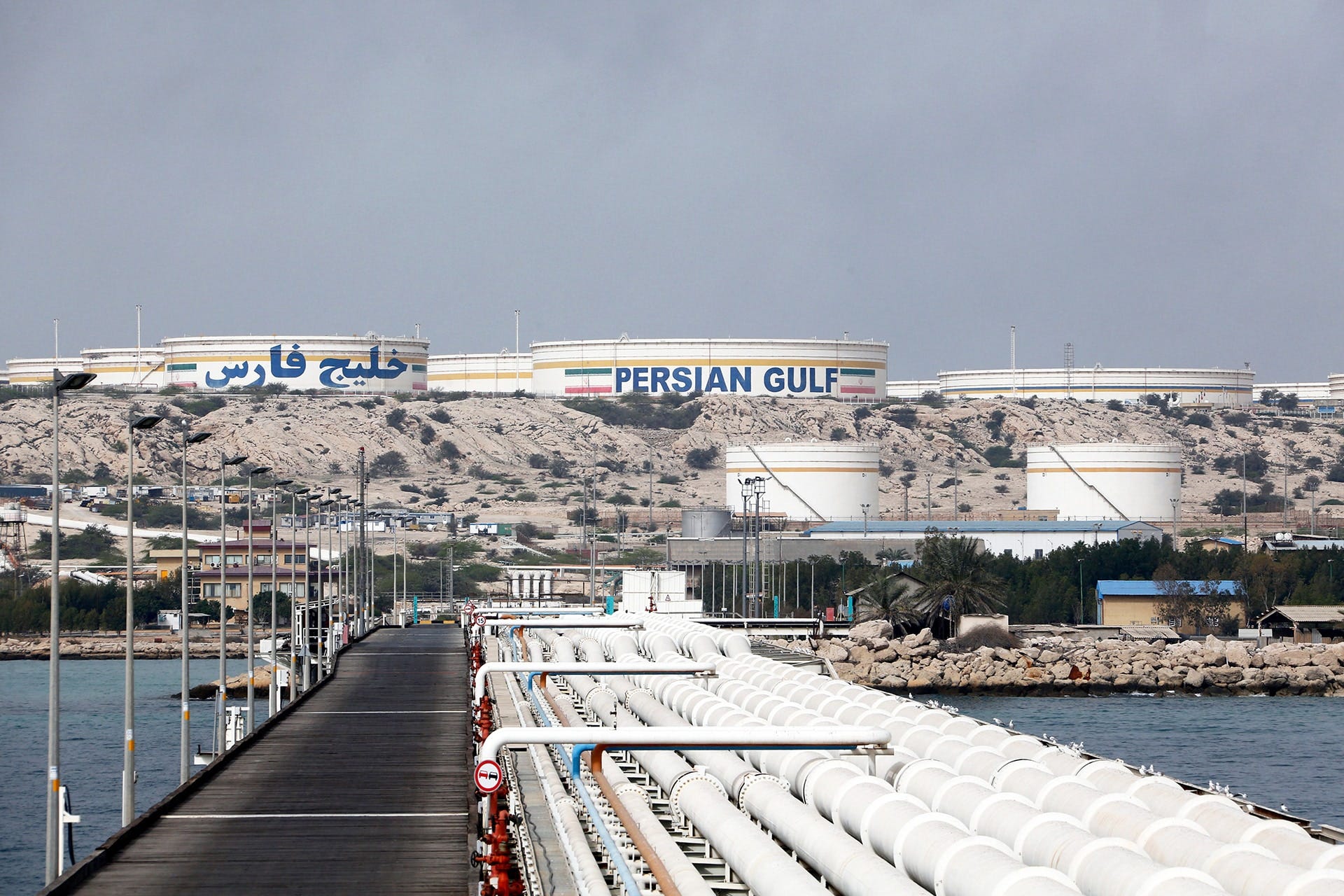
Iran has been fortifying the island and moving additional air defenses into position. The shooting down of a US F-15 fighter jet shows they have retained some offensive capability. An entrenched and capable but weaker defender will try to hold the line against a superior invading force, conducting one of the most difficult offensive operations in war: a contested amphibious landing.
An amphibious landing is the most unforgiving military operation that exists. The troops crossing open water are exposed and unable to maneuver. The defender knows the terrain, has prepared positions, and can concentrate fire on what is a narrow front by necessity. There is no safe fallback position once the ramp drops. Success requires overwhelming preparation: precise intelligence, naval and air fire support, reliable logistics, and enough men to absorb the initial defense.
Military doctrine has long held a rule-of-thumb that an attacker needs a three-to-one numerical advantage against an entrenched defensive position. During an amphibious landing, that ratio needs to be higher. Bad planning does not reveal itself gradually in an amphibious operation. It reveals itself immediately and at significant cost. Four landings from the 20th century illustrate what happens when that preparation is present and what happens when it is not.
Gallipoli, 1915
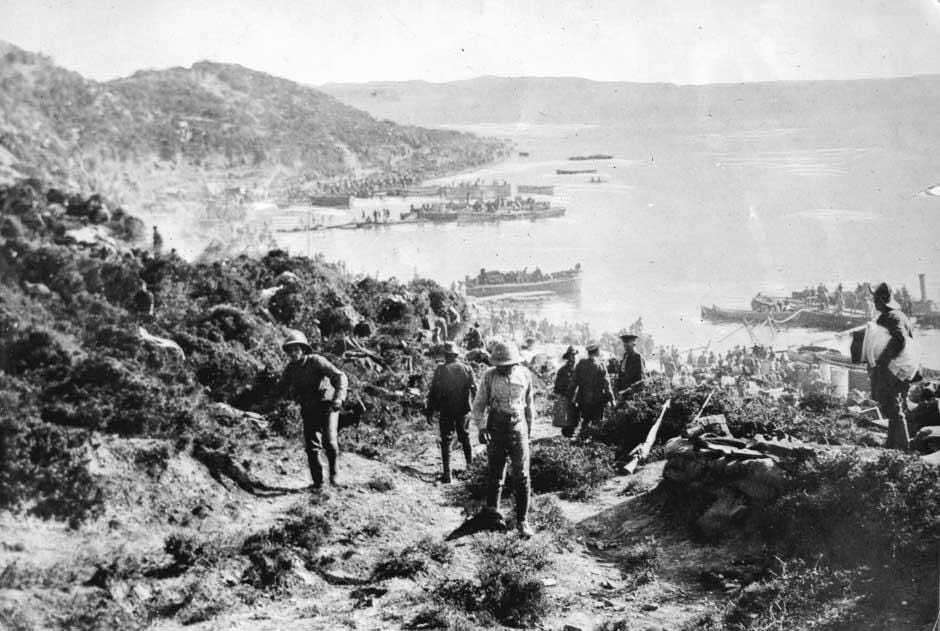
In World War I, Winston Churchill was the First Lord of the Admiralty, basically the political head of the Royal Navy. In the military strategy against the Ottoman Empire, Churchill focused in on the narrow Dardanelles strait separating Asia and Europe, the gateway to Istanbul and the Black Sea. Taking the Gallipoli peninsula, on the European side, would open a supply route to Russia and provide some relief to the western front against Germany. The idea was sound, but the execution was not.
A naval attack in March 1915 failed and gave the Ottomans weeks of warning before any land assault. When the landing came on April 25, troops arrived on the wrong beach, beneath cliffs, with no room to maneuver. The Ottomans had fortified the cliffs. Churchill had pushed the operation forward before adequate forces and planning were in place, and military planners had serious reservations that were overridden. Once the troops were pinned on the beaches eight months of stalemate followed, with 250,000 Allied casualties.
Guadalcanal, 1942
The United States launched its first major Pacific offensive before it was ready. The Marines who landed on Guadalcanal in August 1942 had weeks of rations and limited ammunition. Two days after the landing, the Navy pulled its aircraft carriers from the area because it had not neutralized Japanese air and naval power and did not want to risk losing them. This left the Marines without air cover or reliable resupply due to Japanese naval superiority. For months, they used whatever was on hand to repel Japanese counterattacks.
The campaign lasted six months with 15,000 U.S. casualties. Guadalcanal was eventually won, and the strategic value of that victory was significant. But the victory obscured a planning failure. The Navy was not ready and the logistics were not in place. The means were not matched to the ends at the outset, and the men on the ground absorbed the cost of that gap through extraordinary sacrifice that should not have been necessary. And that sacrifice is much greater than what the U.S. public will accept today, especially in a war the U.S. itself initiated.
D-Day, 1944
The Normandy landings were the largest amphibious operation in history. They succeeded because of two years of preparation that overcame significant portions of the operation going wrong. In The Germans knew an invasion attempt was coming and began fortifying the French coast of the English Channel in earnest by November of 1943. An Allied bombing campaign and a glance at a map made that obvious. The challenge was not concealing the fact of an invasion but concealing its location.
Operation Fortitude deceived the Germans into concentrating their strongest forces at Pas-de-Calais at the narrowest crossing from Great Britain, rather than Normandy. Allied air power spent months destroying German logistics and infrastructure before a single soldier hit the beach. The plan built in redundancy across five landing beaches with multiple contingencies, backed by overwhelming naval and air support.
The American landing at Omaha Beach was still nearly a disaster. Landing craft blew 1,000 feet off course, unloaded too far from shore, and much of the supporting artillery sank before reaching the beach. But the operation had enough depth that one catastrophic landing did not collapse the campaign. Eisenhower had spent two years building that depth. He had the authority and the resources to do the job properly.
Inchon, 1950
By September 1950, North Korean forces had pushed troops U.S. troops into a small perimeter on Korea’s southern coast. To salvage the war, Douglas MacArthur proposed an amphibious landing at Inchon, deep behind North Korean lines. The harbor had extreme tides and a fortified island blocking the approach, but MacArthur insisted. The landing worked completely, aided by surprise and overwhelming force. Within two weeks Seoul was liberated and North Korean forces were in full retreat.
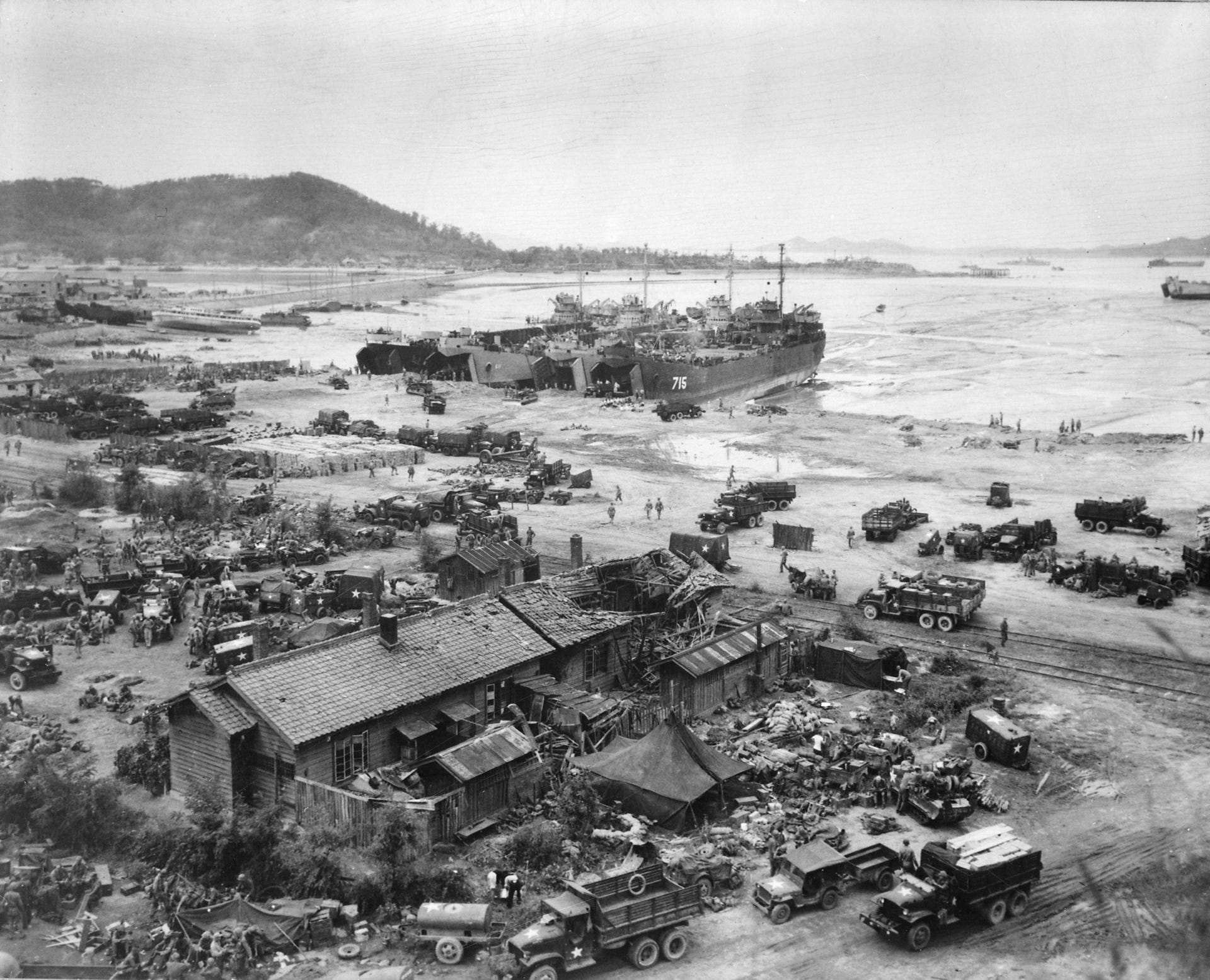
Then MacArthur overreached. He drove north toward the Chinese border despite explicit warnings that China would intervene, which it did with 300,000 troops driving UN forces back in the largest American military retreat in history. Tactical and strategic success are not the same thing. MacArthur could execute a landing brilliantly. He could not define what winning meant once he was ashore. That confusion cost tens of thousands of lives.
Gallipoli was rushed by a leader who wanted the outcome without the preparation. Guadalcanal was launched before the supporting forces were ready and won by the men despite the planning rather than because of it. D-Day succeeded because Eisenhower matched the means to the ends with two years of deliberate planning. The landing at Inchon was executed brilliantly and followed by a failure to define what success beyond the beach actually required.
The men who fought on these beaches were not let down by their courage. They were let down when their leaders wanted the outcome without being honest about the cost of achieving it. Beyond the matching of means to ends, as General James Mattis recently observed on the Iran war, there has also been a persistent confusion of “targetry” with strategy. A brilliant and decisive military operation can still fail to deliver if its objectives are not clearly defined and planned for. That failure is not obvious until the ramp drops, but by then it is too late.