


In 2025, wind and solar overtook fossil fuels as the primary sources of electricity generation in the European Union. That fact has often been framed as a climate milestone, but its real significance lies elsewhere. It marks a structural shift in how Europe’s power system now operates. This is no longer a transition in progress. It is a new baseline. And once an energy system crosses that threshold, foreign policy begins to adjust around it whether leaders intend it to or not.
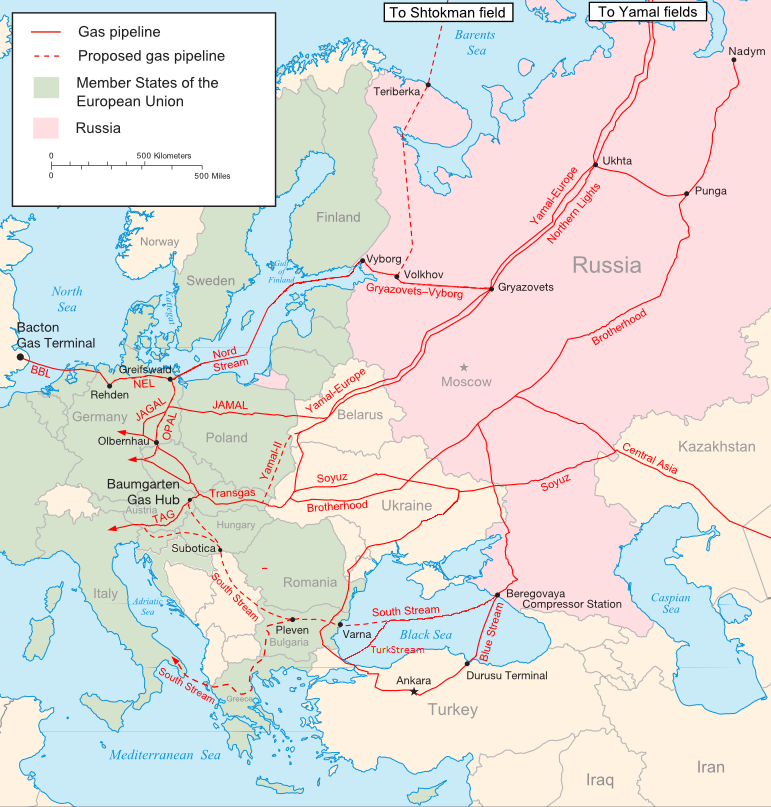
The change matters because energy systems shape exposure to outside pressure. For decades, Europe’s vulnerability to Russia rested on fuel imports. That vulnerability was exposed most starkly after Russia’s invasion of Ukraine, when gas flows collapsed and energy prices spiked. Europe was slow to cut-off imports, Russia’s main source of revenue.
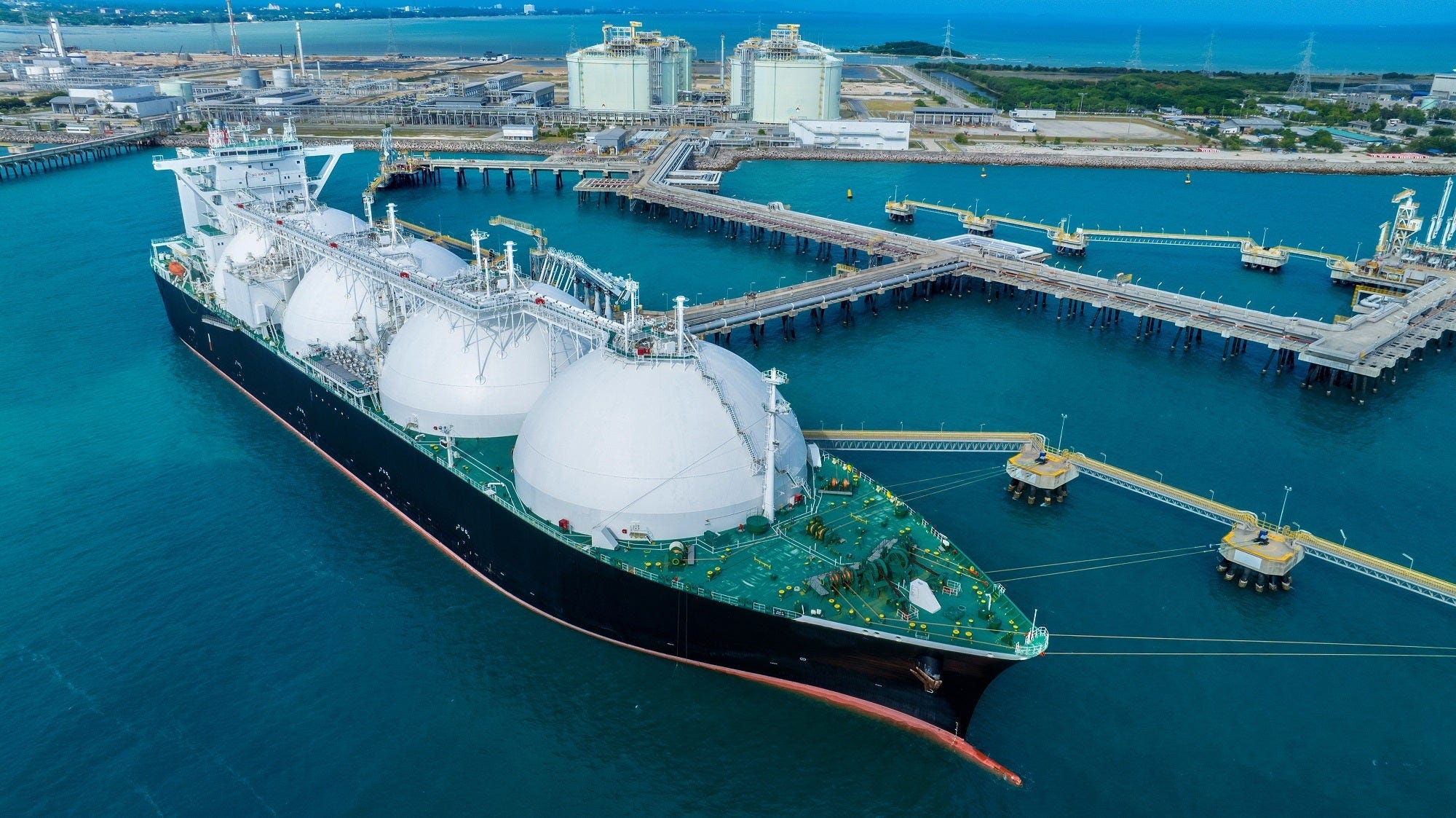
Europe’s response to that shock revealed how its priorities had already shifted. Rather than attempting to lock in a new dominant supplier, the EU expanded LNG import capacity from the United States, accelerated cross-border power grid interconnections, and invested in infrastructure that allowed energy to move more freely across the bloc. The goal was not control, but flexibility. Security came from having options.
That approach has become central to Europe’s energy policy. Today, energy security in Europe is less about who supplies fuel and more about whether its energy system can absorb disruption. Imports still matter, but dependence is spread across multiple suppliers rather than concentrated in one. Strategic gas storage, reserve capacity, and grid redundancy are treated as insurance rather than inefficiency. Europe is no longer trying to eliminate reliance on external energy altogether. It is trying to make that reliance less vulnerable to coercion.
Rules play a central role in this shift. The EU does not exert influence by owning production or directing markets from the top down. Instead, it shapes outcomes through electricity market rules, grid codes, emissions standards, and access requirements.
These determine how power is traded, where investment flows, and which technologies are adopted. Compliance with these rules, rather than ownership of assets, is what grants access to Europe’s energy market. This gives the EU leverage without constant negotiation or pressure. Once the rules are in place, they operate automatically.
Europe has also accepted that this model carries costs. During the energy shock after Russia’s invasion of Ukraine, governments tolerated higher LNG prices to preserve supplier diversity. Renewable overcapacity and grid redundancy were allowed even when they were not economically optimal in the short term.
These were not mistakes or temporary distortions. They were deliberate tradeoffs. Europe chose to pay more upfront to reduce the risk of future pressure. In energy terms, inefficiency was treated as a form of protection rather than a failure.
Trends in energy demand are reinforcing this new baseline regardless of politics. Data centers and AI infrastructure require steady, predictable electricity supply. Utilities plan around future load growth rather than election cycles.
Renewables are increasingly favored because they offer cost stability over time, require shorter lead-times and capital investment to begin production, and are now cheaper. This locks in the system through markets as much as policy. Even where political debate remains heated, investment decisions are already being made on the assumption that renewables will dominate new energy generation.
This creates a widening gap between Europe and the United States. In Europe, policymakers treat a power grid based heavily on renewables as a given. In the U.S., this is still a political debate. Democrats want active government involvement in promoting renewables, Republicans seem to want the same to preserve the existing energy mix. And these policies are volatile and often reversed with a change in presidential administration.
The EU, and China to a lesser extent (especially before Xi Jinping), use deliberation and consensus to drive policymaking. This makes decision-making slow, but the ultimate choice is enduring. In contrast policy in the US is increasingly driven by the presidency, with four-year election cycles leading to major swings in policy.
Markets do not like uncertainty or volatility That difference matters. It affects trade, technology, and expectations within alliances. Coordination becomes harder when partners are working from different assumptions about what is fixed and what remains open to revision.
The foreign policy consequences of this shift are easy to miss because they are quiet. Europe now negotiates with less exposure to energy-related pressure. Energy is no longer its most obvious strategic weak point. External actors have fewer reliable levers to pull. This does not mean Europe is insulated from geopolitical, but it does mean those shocks travel through a system designed to absorb them rather than amplify them.
The most important point is not about ambition or intent. It is about irreversibility. Political arguments about energy will continue across Europe, just as they do elsewhere. But the underlying system has changed. Once infrastructure and investment patterns cross a threshold, policy begins to respond to the system rather than direct it. The European Union is adjusting to this reality, while the United States and other countries are not.