


Japan’s Diplomatic Escalation
Japan and China have entered one of their tensest moments in years. What set it off was a single sentence. Speaking before parliament, Prime Minister Sanae Takaichi said that a Chinese attack on Taiwan could put Japan’s own survival at risk. That phrasing matters because it matches the language in Japan’s 2015 security law. Under that law, such a threat gives the government the authority to use military force in support of an ally. In other words, Japan made it clear that the fate of Taiwan is directly tied to its own security.
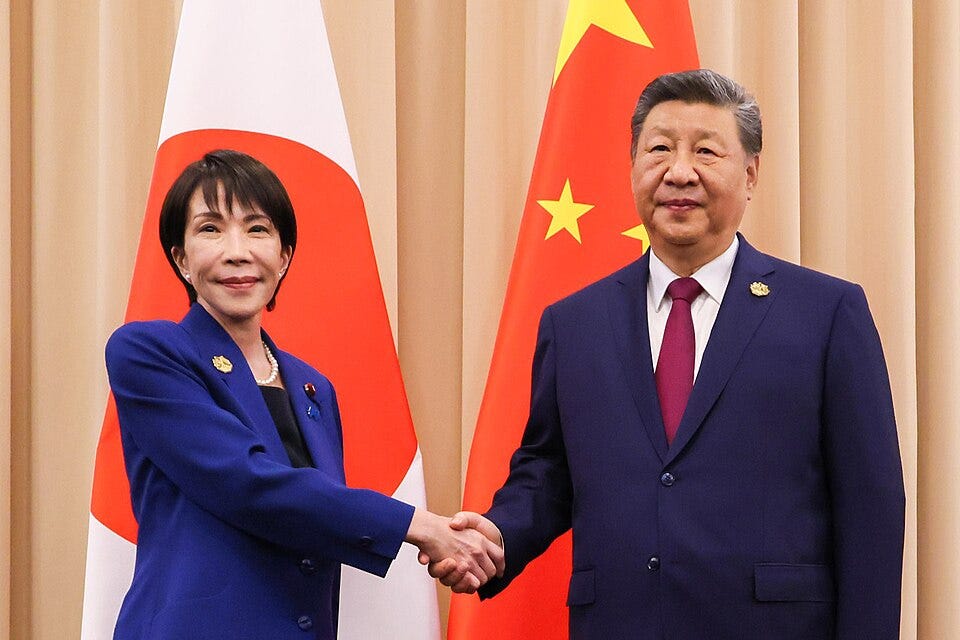
China reacted immediately. Beijing halted imports of Japanese seafood, discouraged tourism, canceled cultural events, and voiced strong public anger. China’s consul general in Osaka even posted a threatening message online before removing it. The message behind all this was simple. China wanted Japan to walk back the statement.
Japan refused. Takaichi’s government is riding high in public opinion, and that support gives her the political room to hold firm. The result is a real break from Japan’s previous approach. For years, Japan avoided saying openly how it might respond to a Taiwan crisis. Now it is speaking much more directly. Officials across Asia noticed the shift right away. Taiwan also responded by announcing forty billion dollars in new defense spending.
China’s Historical Memory
China’s intense reaction did not come from nowhere. In my policy precapstone, I spent considerable time studying the history of the U.S. One-China policy and what Taiwan represents inside China. The same point came up repeatedly. Taiwan is not a routine territorial issue for Beijing.
It sits at the heart of China’s modern identity and the story the Communist Party tells about the country’s revival after a turbulent past. The Party still sees Taiwan as the last unresolved chapter of the Chinese civil war. Any statement from another country about its defense, even a hypothetical one, is often treated as touching on China’s core political identity.
There is also a long historical memory shaping China’s response. Chinese schools and museums regularly highlight episodes of Japanese aggression. These include the massacre at Port Arthur during the Sino-Japanese War in 1894, the decision after World War I to hand German concessions in China to Japan, and the brutal invasion from 1931 to 1945 that left millions dead.
These events are taught as defining parts of China’s national story. They make modern Japanese security statements especially charged for Chinese audiences. Beijing understands this and often taps into those memories during diplomatic disputes.
Strategic Chess in East Asia
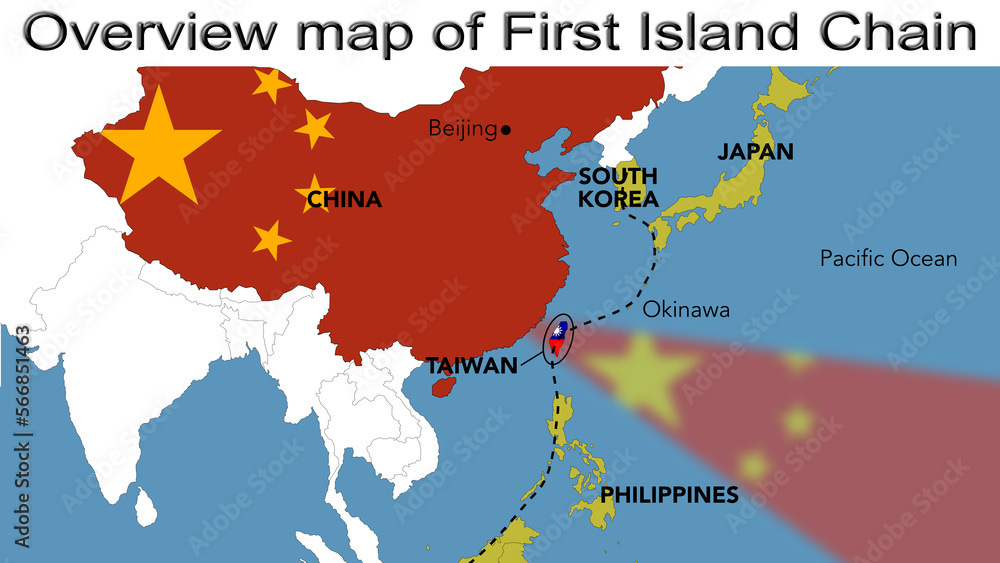
Japan has changed as well. It is conducting the largest buildup of its military capabilities since the Cold War. Years of Chinese military activity near Japan, including missile overflights and naval operations, have shifted public opinion. The war in Ukraine reinforced the sense that distant threats can quickly become real. From Tokyo’s perspective, a crisis in the Taiwan Strait would almost immediately affect Japanese territory and shipping routes. Close cooperation with the United States only strengthens this view.
China has turned to a familiar set of responses. It is applying economic pressure, raising diplomatic heat, and using public messaging aimed at stirring national sentiment. Beijing has used the same playbook before. It pressured South Korea during the dispute over missile defense and pushed back hard against the Philippines during earlier maritime clashes. The seems to be to provoke a response to probe weaknesses. Japan’s refusal to back down is what makes this moment stand out.
This episode recalls earlier crises. A decade ago, tensions over the disputed Senkaku and Diaoyu Islands showed how fast national pride can turn a small territorial problem into a regional confrontation. The situation today is even more delicate. Taiwan holds a place in China’s national identity that far exceeds the importance of isolated islands.
When Japan openly talks about defending Taiwan, it touches on China’s most sensitive political boundary. Japan knew this and still made the choice to speak clearly, which tells us something about how the country now sees its role in Asia as a counterweight to the giant next door.
Conclusion
Looking ahead, Japan is unlikely to retreat from its position. China will keep using diplomatic and economic pressure while avoiding a direct military clash. Governments across the region, including the United States, Taiwan, India, and the major Southeast Asian states, are taking this moment seriously. Now that Japan is signaling a willingness to act openly rather than quietly, calculations about how a conflict over Taiwan would play out are changing.
In a future post, I will look more directly at the Taiwan Strait and how this week’s events fit into the broader strategic picture. What is becoming clear is that the question is no longer whether Japan would respond in a crisis. The real question is what form that response would take and how quickly it would come.