


I predicted that in 2026, other countries would negotiate with the U.S. on tariffs, seeking temporary reductions and avoiding long-term commitments, expecting the current difficulties to be short-lived. Trump would not be in office forever, and it would be easier to endure uncertainty than to lock in alternatives too quickly and redesign he global system.
That assumption now looks wrong.
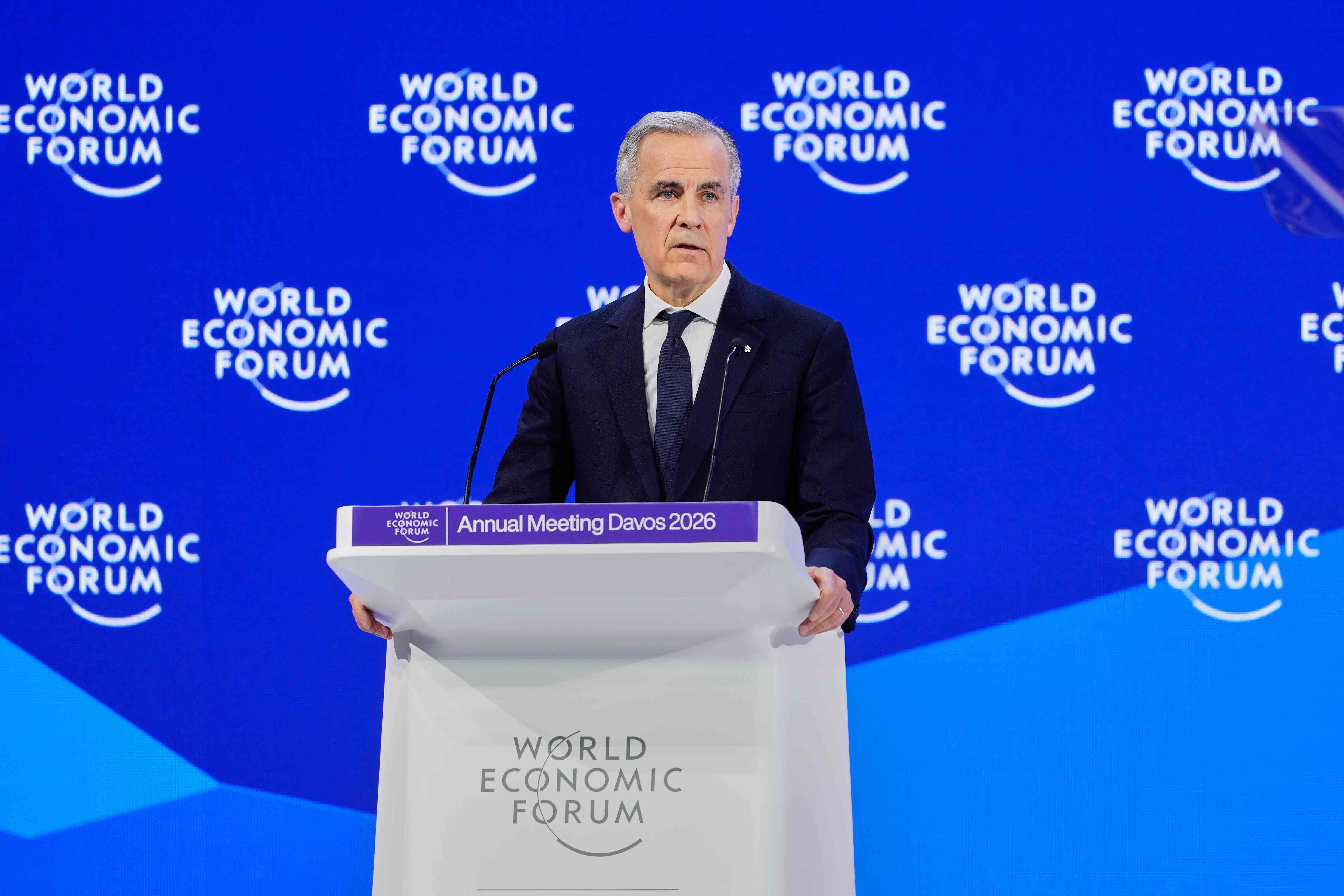
Over the last week, a sharper break has come into view. There appear to be conversations behind the scenes about building trade and security arrangements that do not depend on the United States. The risk being priced in is not just the current administration. It is the possibility that disruptive populism will persist in the US.
That shift was visible at the World Economic Forum in Davos. In one of the most closely watched speeches, Canadian prime minister Mark Carney laid out a vision of a more multipolar global economy, one less dependent on a single country. His message was not anti-American. It was practical. He argued the world needs systems that can function when major powers become unpredictable, and the US driven order based on international law had ended.
Events prior to Davos have made that point harder to dismiss.
There has not been a major trade deal between the United States and another country because of the new tariffs. What has happened instead is a burst of deal-making elsewhere. The European Union’s agreement with Mercosur, which includes Brazil and Argentina, creates a combined market of more than seven hundred million people, representing 20 percent of global economic output. Talks that had dragged on for years suddenly moved forward this week.
EU negotiations with India are moving in the same direction. A deal there would link two billion people into a shared trade framework without U.S. participation. Canada has gone even further, negotiating tariff reductions with China on measures it originally adopted under U.S. pressure. These are not symbolic gestures. They are structural choices about where risk will sit in the future.
This exposes the central problem with a purely transactional approach to foreign policy. It works best when one country has overwhelming leverage and when alternatives are limited. Thirty years ago, the United States fit that description. At the end of the Cold War, it had unmatched market access, enormous influence over global institutions, and a security role that few countries could replace. At that moment, Washington could have relied heavily on pressure and still gotten results.
Instead, it chose a different path. The system the U.S. helped build was designed to preserve American advantage even as its relative power declined. Trade rules were predictable. Global finance rested on reserves of dollars and U.S. treasury bills. Security relationships reinforced economic integration. Bargaining never disappeared, but it happened within a framework that made cooperation the default option.
What has changed is the environment in which pressure is applied. When other options already exist, economic pressure no longer pushes behavior in a predictable direction. It alters how states plan. Trade disputes no longer stay limited to trade and instead reach into areas that were previously managed separately.
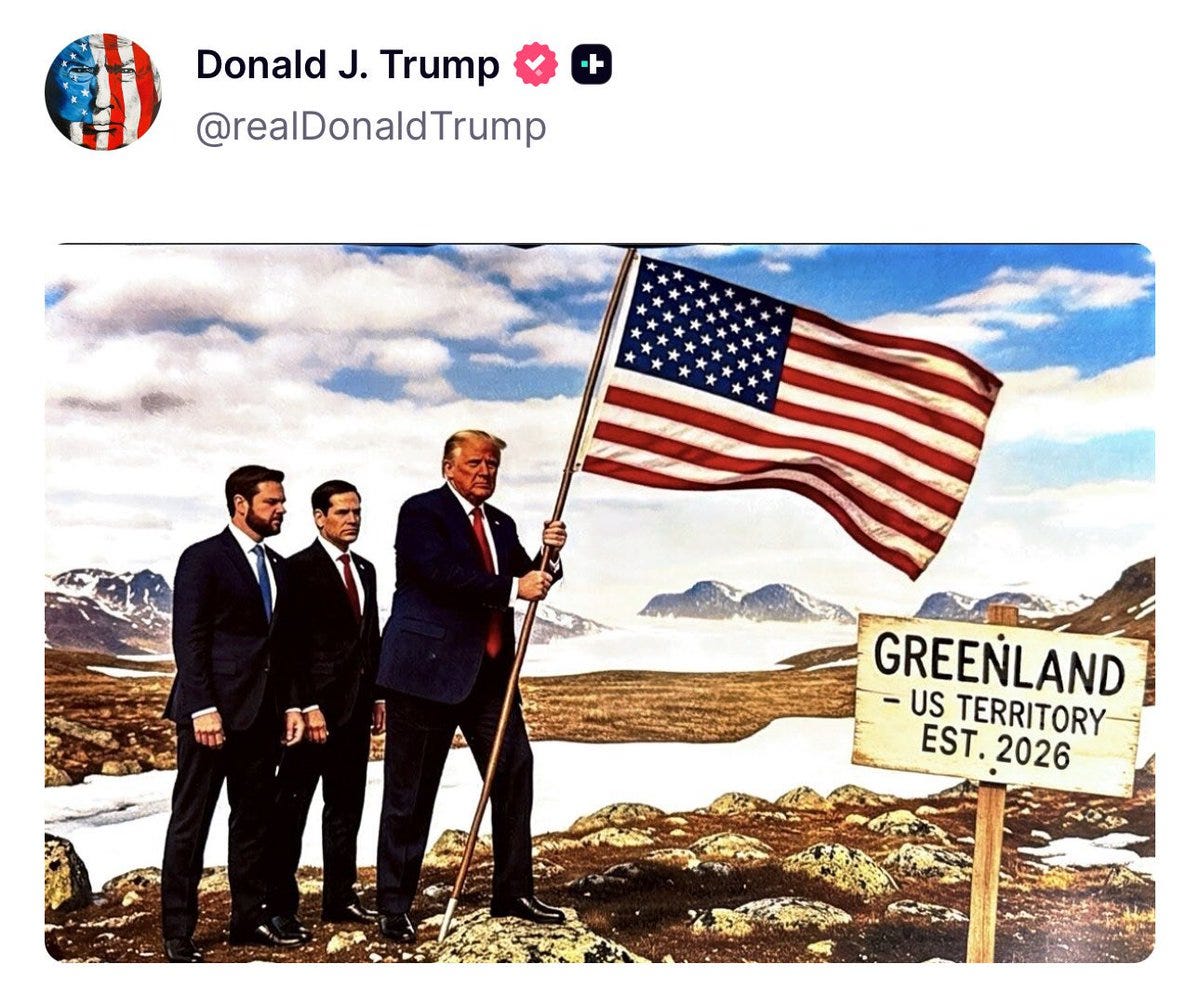
The situation around Greenland illustrates this shift. Denmark hosted a military exercise in Greenland focused on Arctic security. France and other European countries participated. The U.S. response was to raise the possibility of tariffs on European goods, linking participation in the exercise to economic consequences. French president Emmanuel Macron rejected that linkage and said security commitments should not be tied to trade.
For European governments, this episode was not interpreted as a single disagreement. It suggested that economic pressure could be applied without clear boundaries, including in situations involving allies. The response was not confrontation. Governments began discussing how to reduce exposure to U.S. pressure and how to preserve room to maneuver if similar situations arise again.
Similar adjustments are visible in other areas. U.S. export controls on advanced chips may slow China in the near term, but they also encourage countries to reduce reliance on access that can be withdrawn. Japan’s efforts to secure alternative sources of rare earths reflect this approach.
When access becomes uncertain, control over inputs becomes more important. This uncertainty is where diplomacy can come in, to build trust with allies and provide some certainty. It is not the time to turn the screws and act more volatile to extract concessions.
Washington has also relied more heavily on enforcement measures. The seizure of sanctioned Venezuelan oil tankers and public statements about maintaining control over oil point to a strategy that emphasizes coercion. That approach may produce results in specific cases, but it also increases incentives for others to limit their exposure to U.S. pressure.
This is how transactional policy functions when leverage declines. Pressure still has effects, but it does not produce alignment. It leads governments to adjust their behavior and reduce dependence.
The outcome is not a system that excludes the United States. It is a system that does not assume U.S. centrality. The United States remains influential, but it is treated as one major power among others. Trade arrangements move forward without U.S. participation. Security coordination increasingly takes place alongside U.S. involvement rather than through it. Governments plan for U.S. pressure in the same way they plan for pressure from other major powers.
This change does not happen all at once. It develops as governments revise how they plan and who they rely on. Once those changes take hold, reversing them becomes difficult.