


When people talk about AI, they tend to picture server racks and GPUs. But the story unfolding now is happening somewhere else: in energy markets, mining forecasts, and inside utility control rooms. AI isn’t just a software revolution, it’s a supply chain and energy shock. And the sectors absorbing that shock are scrambling to react.
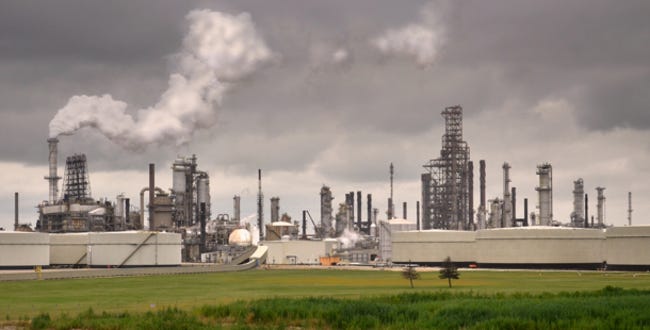
AI is changing the energy landscape faster than expected. Battery storage systems are now the biggest source of demand for lithium and other minerals. At the same time, AI data centers are using more electricity than anticipated, leading to higher utility bills. Utilities, miners, and power producers are struggling to keep up with this unexpected demand.
Independent power producers are benefiting the most, with their values rising due to the expected increase in AI-driven demand. However, some worry about a bubble because if AI data center demand is removed, these values could drop significantly. The growth of this sector is closely linked to a few companies building large server farms, but it shows no signs of slowing down.
Natural gas developers are planning new projects to meet the gap between AI’s needs and what the current power grid can supply. They believe AI will need more energy than renewable sources can provide for the rest of the decade. California is a good example of this challenge.
While the state is installing a lot of solar energy, the need for storage is increasing just as quickly. This creates a problem: there’s plenty of energy on paper, but not enough available during off-peak hours to support new data centers.
To handle the unpredictable nature of renewable energy, battery storage is expanding rapidly. Some grid operators are switching to longer-lasting storage systems that can hold power for 6-10 hours instead of 2-4 hours.
Initially, it was thought that electric vehicles would use most of this storage, but utility-scale storage is now taking a larger share of the market. The technology is effective, with Texas already using renewables for over a third of its grid. China, which leads in battery production, is building solar power with storage faster than anyone else.
AI is also transforming the mining industry. Companies are using AI to improve operations, and one company even found new copper reserves through exploration alone. While AI makes mines more productive, it also increases their energy needs. Many sites are considering generating their own power to maintain stability. This creates a cycle: better AI leads to more efficient mining, which increases mineral production, providing more resources for larger AI systems, which in turn raises power demand.
Surprisingly, coal power hasn’t benefited from these changes. Despite support from Trump, the market isn’t interested. Mines can’t get funding, and new coal plants aren’t being built. A recent attempt to buy a large amount of coal for a very low price was rejected.
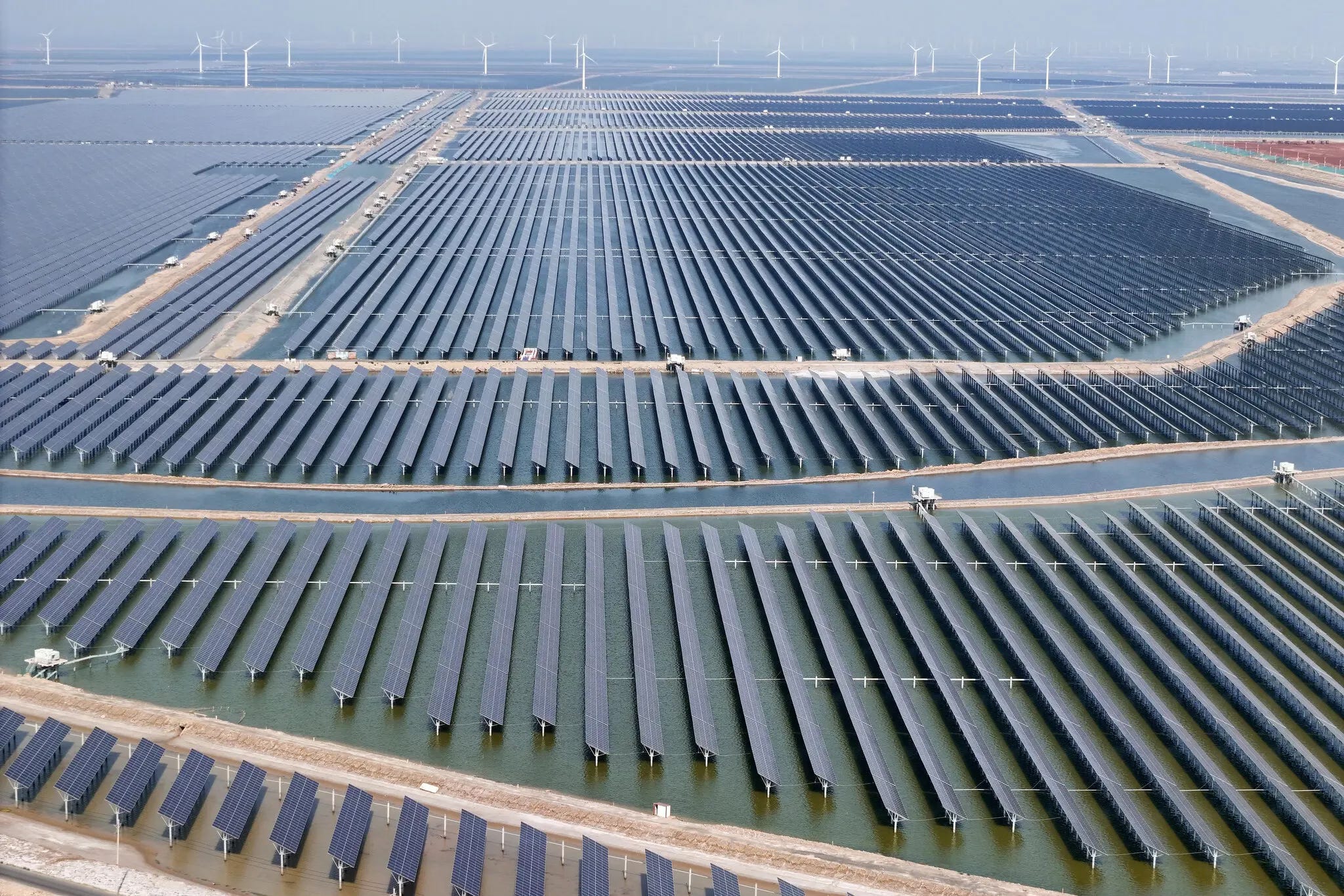
Data center demand is pushing utilities towards natural gas combined with storage because it’s cleaner, quicker to set up, and easier to approve. Coal has lost its position as the world’s largest energy source, and this trend is continuing. This shift is driven by economics, not ideology.
Globally, the situation is even more intense. China added twice as much solar energy in 2025 as the rest of the world combined. Its solar and storage projects are moving faster than global coal plant closures.
The U.S. is growing quickly, but it’s not close to China’s industrial capacity. A U.S.–China competitiveness review highlights this gap clearly. China is focused on building what it needs without worrying about cultural or ideological debates over energy sources.
A new industrial system is emerging. AI increases power demand, which drives energy infrastructure development. Battery storage and solar panels boost mineral demand, leading to new mining. New mining requires more AI to remain competitive. This cycle continues. Energy, technology, mining, and manufacturing have traditionally been separate sectors, but AI doesn’t recognize these boundaries.
The real question is who is planning for these connections? Or should we let the market drive the system and create policies afterward, as we’ve done in the past? This approach has worked before, but the scale and speed of this change may require a different mindset.