


When the United States initiated the war against Iran, it encountered a problem Ukraine had already solved. Iranian-designed Shahed drones, the same weapons Iran had supplied to Russia for years, began striking American personnel and equipment across the region. The U.S. military found itself learning on the job in a drone environment that Ukraine had spent four years mastering.
A New Kind of Military Power
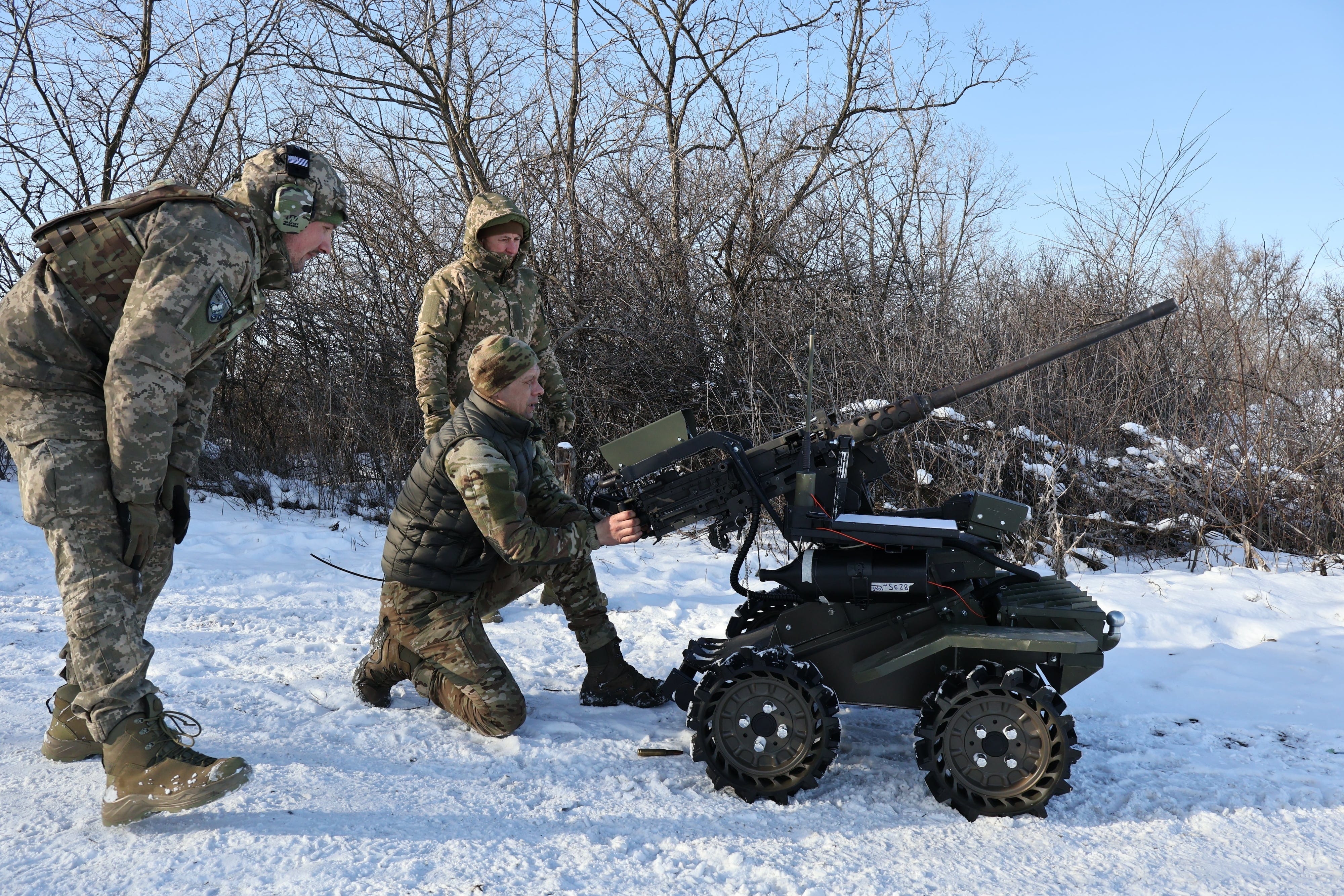
Ukraine has emerged from four years of industrial-scale war as a specialized military power in a domain that did not exist as a distinct field of warfare a decade ago. It is the first country in to establish a dedicated military branch for unmanned systems. This is official recognition that drone warfare has become its own discipline, an official recognition that drone warfare has become its own discipline rather than an extension of existing ones
The innovation cycle Ukraine has built is measured in weeks, not years. Feedback from the front line produces updated systems quickly, by necessity. That pace has no precedent in conventional defense procurement, and no large conventional military operates that way. Ukraine is not a large or wealthy country, but it has developed a military capability that the world’s largest armies are now trying to learn from and acquire.
Ukraine has used its drone capability to go on the strategic offense. The strike on the St. Petersburg oil terminal, Russia’s largest, demonstrated that Ukraine’s reach now extends deep into Russian territory, far beyond anything a conventionally outmatched military would have been expected to achieve. Its campaign against Russian energy infrastructure has delivered measurable results, reducing Russian oil processing capacity by roughly 20 percent through more than 225 combined strikes.
Russian casualties have reached historic levels, with drone strikes credited as the primary driver. An estimated 33,000 Russian soldiers were killed last month, the first in which Russian losses exceeded new recruits. What Ukraine has built is not a supplement to conventional military power. It is a replicable model for how a smaller nation can offset conventional disadvantages through asymmetric technological dominance.
Drone Alliances Take Shape
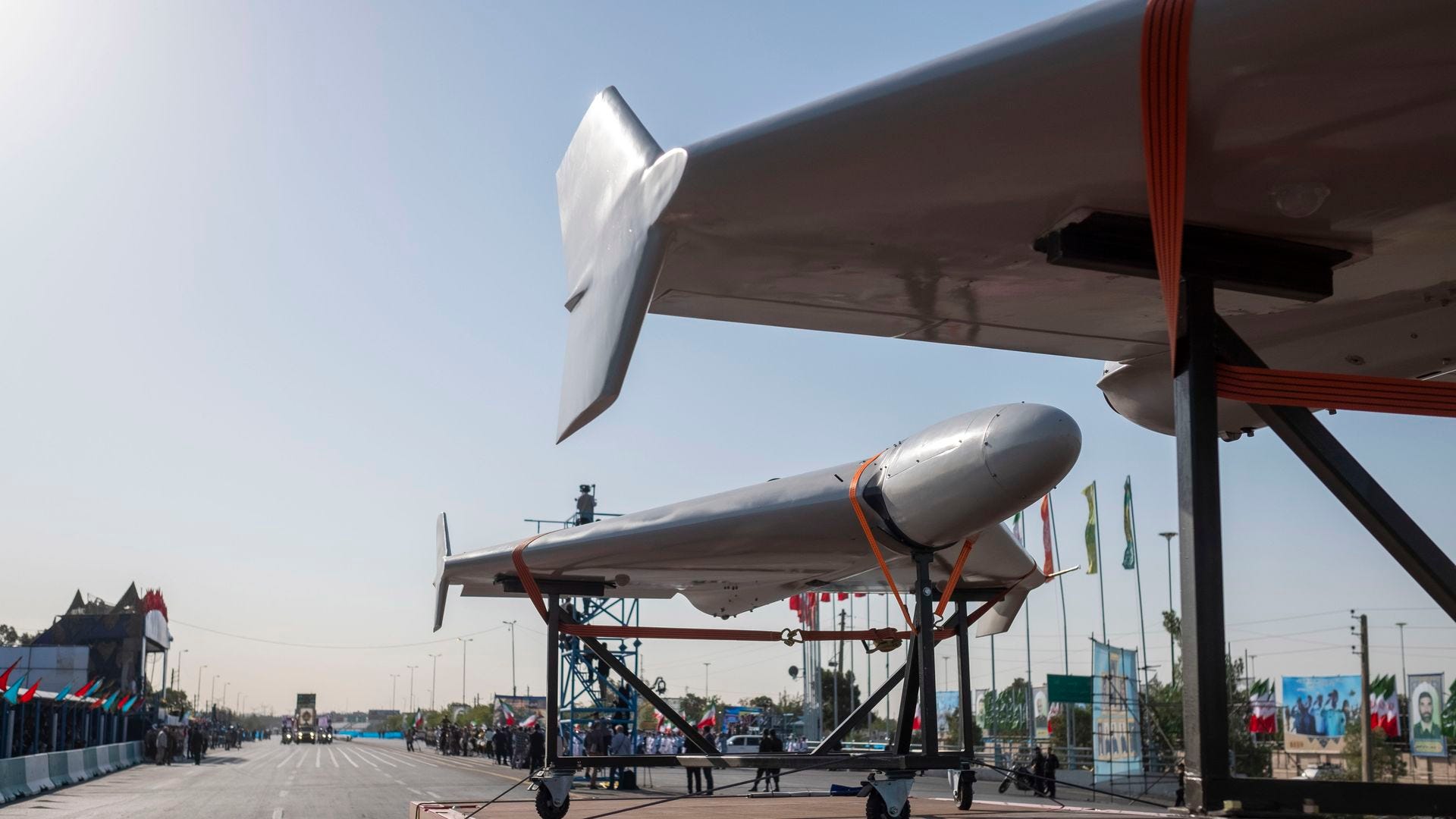
Iran supplied Shahed drones to Russia throughout the war, giving Ukraine years of direct combat experience against the same weapons now being used against U.S. forces in the Middle East. Ukraine built a defensive doctrine around defeating this threat. They developed low-cost, $3000 interceptor drones specifically designed to destroy $50,000 Shahed-type drones.
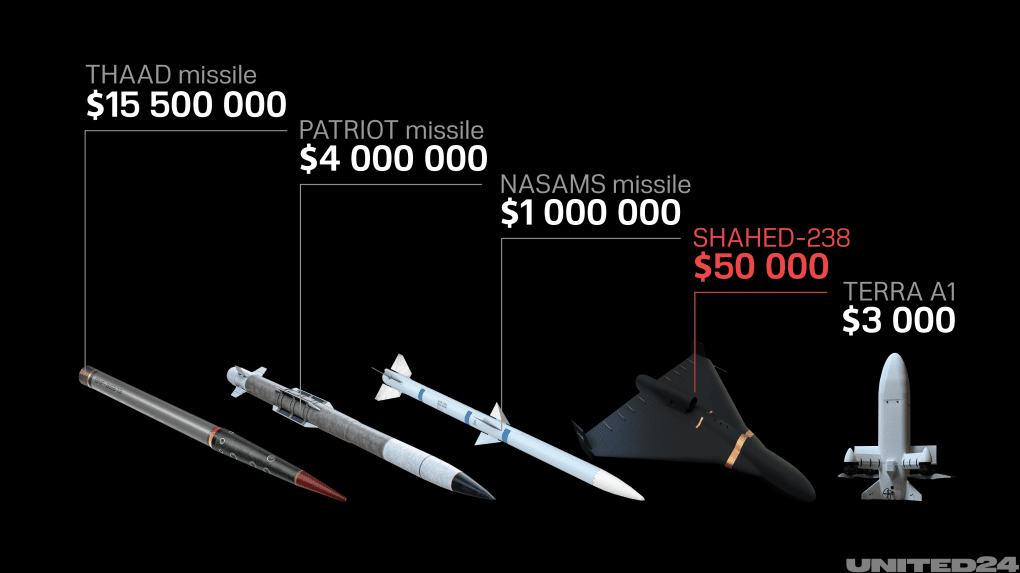
Russia is now sending upgraded versions of those drones back to Iran, closing a loop that runs directly from the Ukrainian front to the current conflict in the Middle East. The tactical problem the U.S. military is confronting in the Iran war is one Ukraine already solved. The doctrine, hardware, and battlefield-tested expertise exists. It is held by a country the United States has chosen, at the level of stated policy at the top, to keep at arm’s length.
The rest of the world has drawn its own conclusions from Ukraine’s battlefield performance. Gulf states facing Iranian Shahed attacks have signed multi-year agreements to purchase Ukrainian drone defense systems, maritime drones, and electronic warfare packages. President Zelenskyy toured Saudi Arabia, the UAE, Qatar, and Jordan to formalize these arrangements. He brought with him the naval doctrine Ukraine developed in the Black Sea, where Ukrainian maritime drones sank or disabled Russian warships.
Europe is pursuing joint production ventures with Ukraine. Poland and Ukraine have announced joint military training and production programs. NATO’s European members increased defense spending by 20 percent in 2025, and Ukrainian expertise is central to what they are now building into their own defense architectures.
Taiwan’s defense planners are drawing directly on Ukraine’s battlefield experience as they develop their own asymmetric posture against a much larger adversary. A de facto drone alliance is forming, with Ukraine at its center. Its foundation is battlefield credibility of a kind no other country can offer, earned against one of the world’s most powerful militaries over four years of continuous combat.
The U.S. Exception
Against this backdrop, stated U.S. policy at the highest level stands apart. President Trump said publicly that Zelenskyy was the last person he would ever ask for help. U.S. military aid to Ukraine over the first year of his second presidency. When U.S. forces came under sustained Shahed attack in the Iran war, it was Gulf states, not the United States, that had already secured Ukrainian guidance on defeating those weapons.
But necessity requires putting aside political posturing. The U.S. military is now working with Ukrainian advisers in the field. That cooperation is a practical acknowledgment that the policy posture and the battlefield reality are not the same thing. This has not been announced through official channels, and this type of tactical coordination would not rise to the level of the political leadership that set broad policy. The drone alliance is forming without the United States. Ukraine’s strategic relevance is not diminished by American policy. It is simply being expressed elsewhere.
The countries that recognized that relevance early are better positioned for the conflicts ahead. The ones that did not will learn the hard way what Ukraine already has.