


There is a pattern in American military history that gets obscured by ideology, partisanship, and the fog of the moment. Strip those away and what remains is a simple question: did we match our means to our ends? Did we define what we wanted, honestly account for what achieving it would cost, and commit accordingly?
The record is uneven.
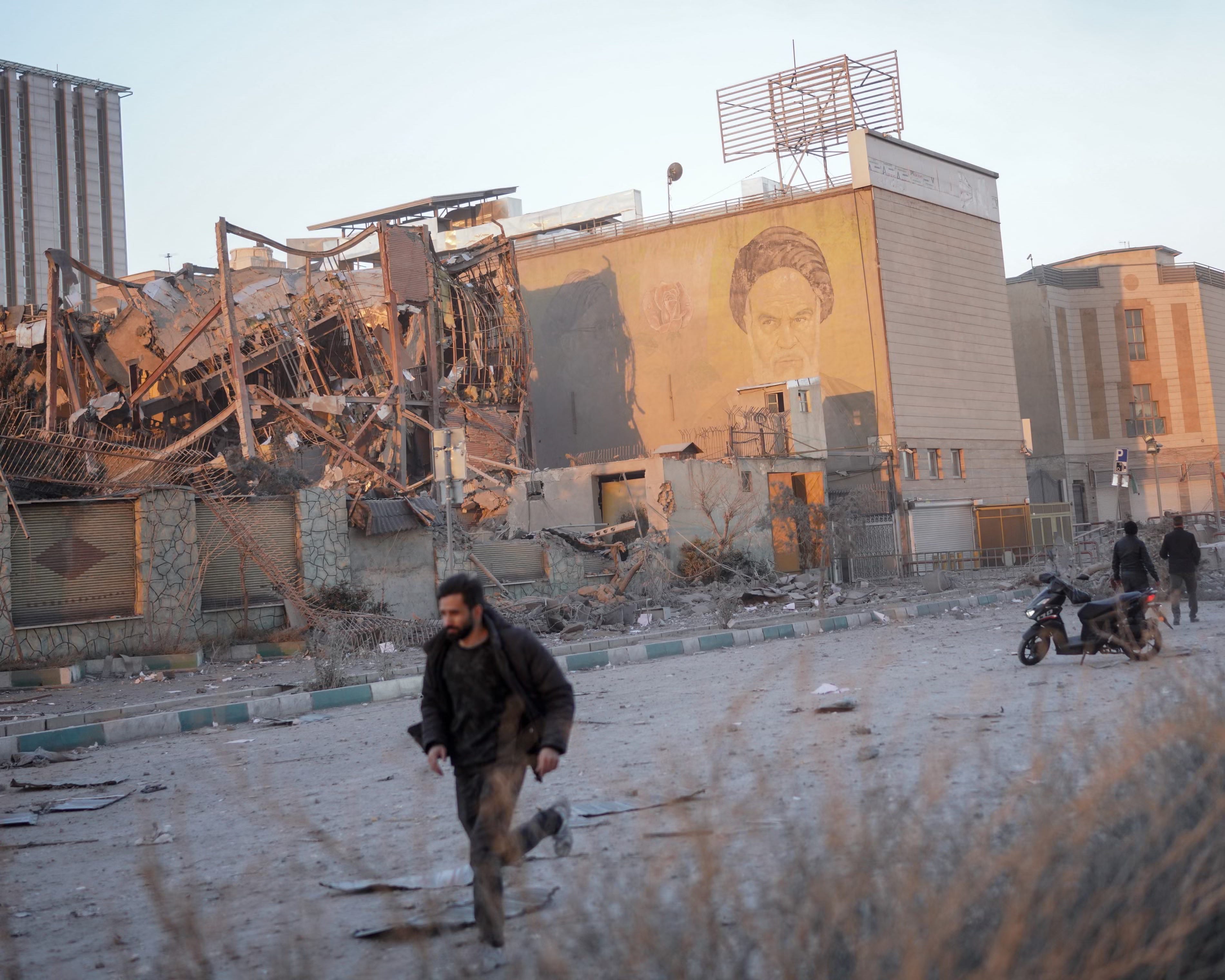
After World War II, the United States occupied Germany and Japan completely with nearly one million troops. Douglas MacArthur ran Japan like a military dictator from 1945 until 1951. Germany was divided, administered, and rebuilt under sustained Allied rule until 1949. The U.S. rewrote constitutions, purged institutions, rebuilt economies from rubble, and stayed for years until the new order held. Both countries still host American forces.
New governments were not just installed. They were constructed from the ground up, monitored, and supported until they could stand on their own. It worked because it had to. Total war had created total mandate. Four years of sacrifice and two atomic bombs meant the American public would accept nothing less than unconditional surrender and complete transformation. The ends were clear and the means were matched, and so the results endured.
George H.W. Bush understood this logic better than any president since. When Iraq invaded Kuwait in 1990 to annex it and seize its oil fields, Bush didn’t act on instinct or ideology. He built a 35-nation coalition, secured UN authorization, brought Arab states to the table, and defined the objective with precision: expel Iraq from a sovereign country it had illegally invaded.
It was a principled act of collective security, not transactionalism. And when Kuwait was liberated, he stopped. Going to Baghdad would have shattered the coalition, violated the mandate, and required an occupation nobody had signed up for. It was strategic discipline, not timidity. The ends defined the means, and the means stopped where the ends did.
His son’s administration lacked that discipline. The 2003 invasion of Iraq was sold as liberation, not occupation. The public was promised they would be greeted as liberators. Inside the administration, Colin Powell, the secretary of state and Chairman of the Joint Chiefs of Staff under the elder Bush, reportedly argued for a 500,000 troop occupying force. This was on par with the occupations of Germany and Japan and enough to stabilize a country of 25 million after toppling its government.
Donald Rumsfeld, the Secretary of Defense, overruled him in favor of sending roughly a third of that. The idea was a smaller, more nimble force could win rapidly and then work with Iraqi security forces to stabilize the country. They had enough force to win the war, but conflicting goals meant they did not have enough to win the peace. In a program to purge members of Saddam Hussein’s Baathist party, Iraq administrator Paul Bremer dissolved the security forces in 2003. The end was regime change, but the means were sized for a raid. The result was a quagmire that defined a generation.
Barack Obama’s failure in Libya came from a different direction. The impulse was humanitarian. Muammar Gaddafi was a brutal dictator who was threatening to crush a 2011 uprising in Libya. To stop a massacre in Benghazi and protect civilians, US forces provided air cover to rebel forces in a limited air campaign. Eventually, Gaddafi was removed.
But Gaddafi had held Libya together by force for four decades. Remove him without a plan for the morning after and you inherit the chaos he had been suppressing. Libya today is a failed state with two governments, open instability, and a transit point for every destabilizing force in North Africa. The intentions were right. The ends were never honestly defined beyond the immediate crisis, while the means were deliberately limited to avoid political cost. The gap between them became a failed state.
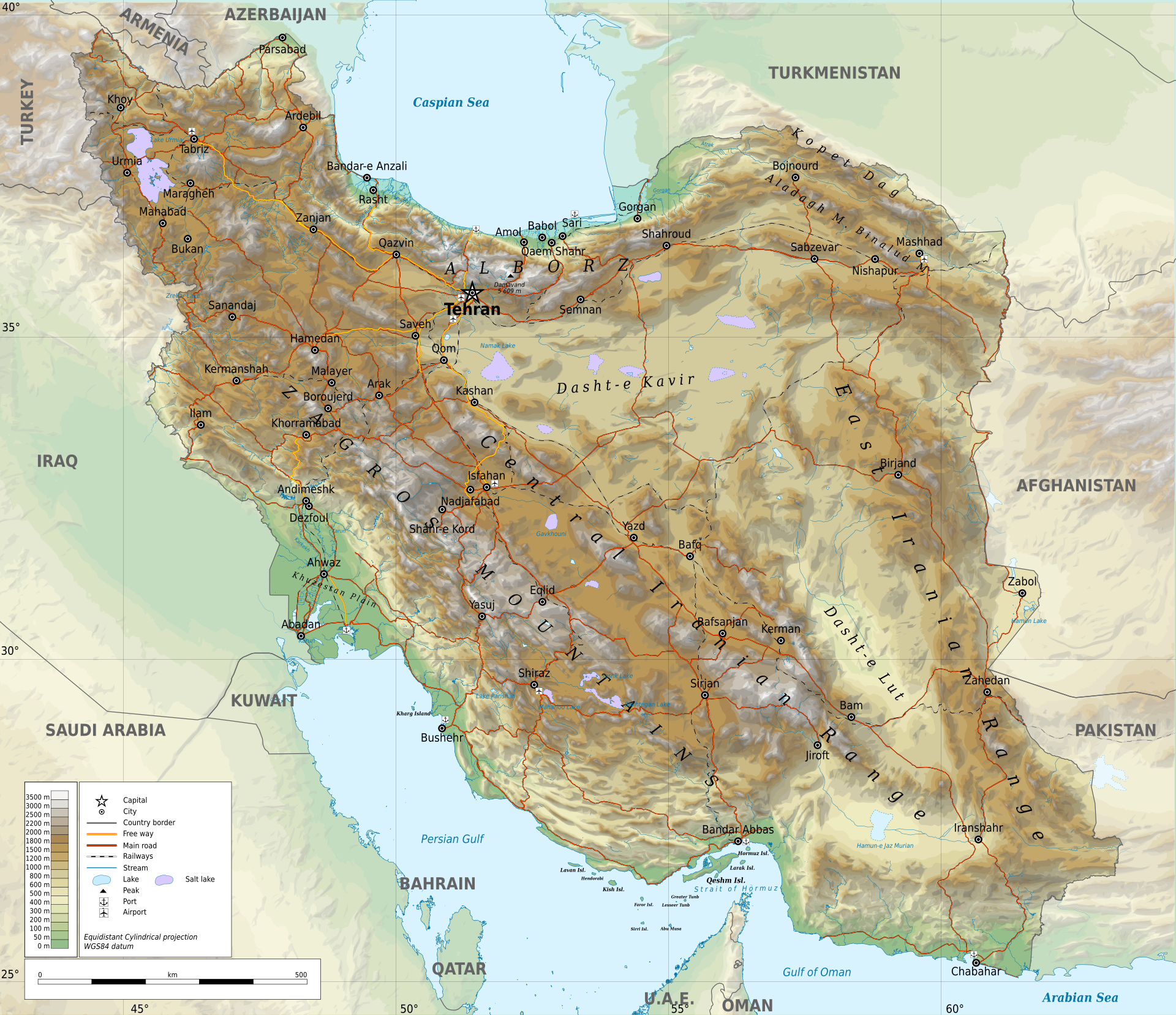
Which brings us to Iran. The full picture is still forming. If statements from Secretary of State Rubio are accurate, the United States joined Israel’s campaign in part because Israel was going regardless, and Washington calculated it was better to shape the operation than watch from the sidelines. That is crisis management, not strategy. Initially, regime change was the stated goal.
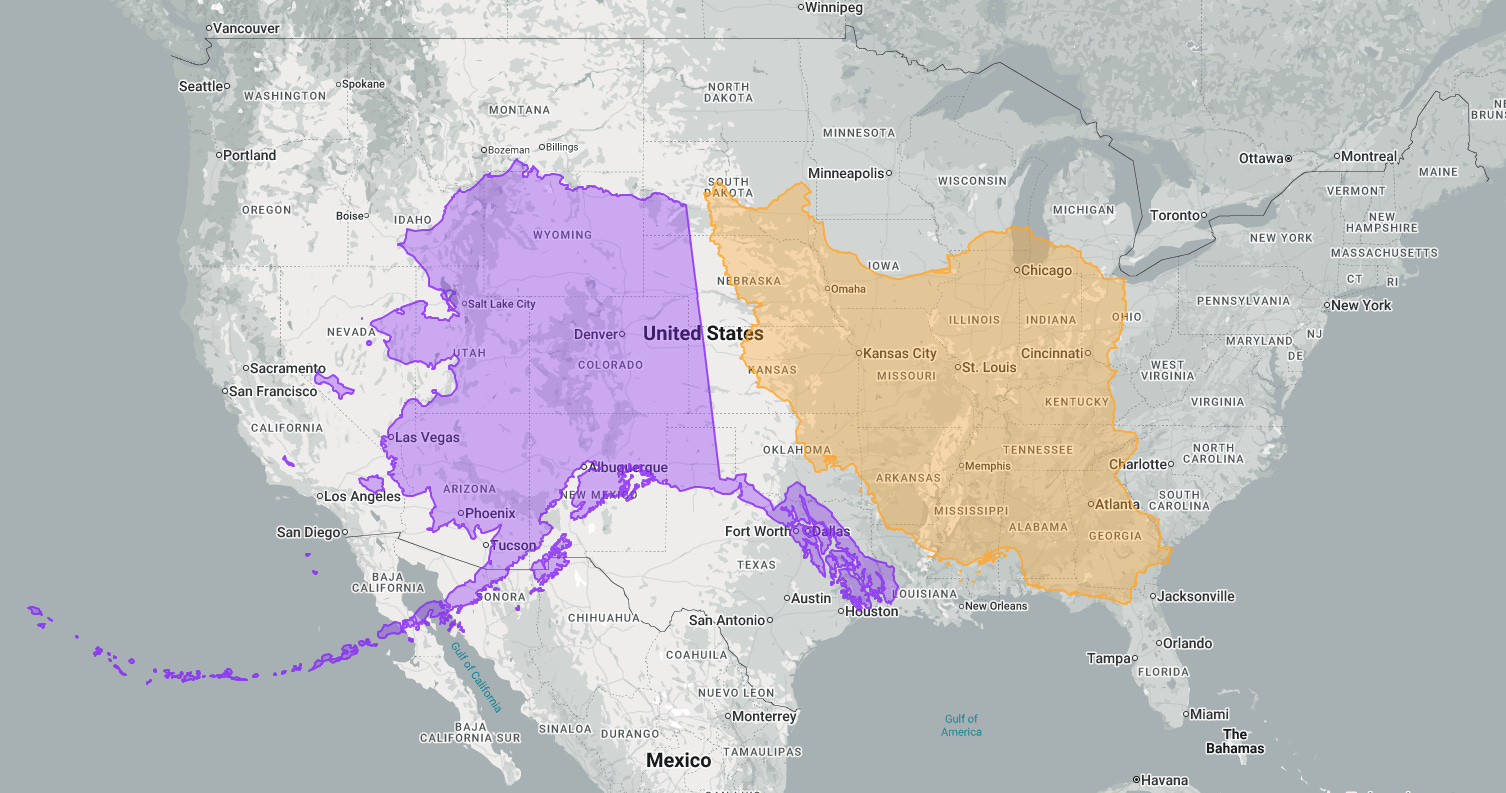
Right now, the morning-after question is immediate and unanswered. Iran has 90 million people, the land area of Alaska, a sophisticated political culture, and is a regional military power. Nobody has made the case to the American public for what comes next, questions such as what the new Iran looks like, who runs it, how long American forces stay engaged, and what it costs. Initially, Iranians, stem happy with the overthrow of the regime, but continuous bombardment of some of the largest cities in the Middle East (Tehran is home to 9 million people) may cause their enthusiasm to wane.
Iran itself is also very different than Iraq and Libya. No such countries ever existed prior to European empires drawing lines on a map over a century ago. Removing dictators destabilized those countries, but posed little threat to American forces. Iran has a national identity stretching back to the ancient world with well-defined national interests that will persist across regimes. The U.S. has not fought a full-scale war against such a country since World War II. If the goal is regime change, the lack of troops on the ground will make that difficult.
But, its size and geography make Iran a very difficult target for a ground invasion, and Iranians will defend their land. The U.S. is arming Kurdish groups, but a small rebellion in Iran’s northeast will not topple the government. If the regime survives, it now has a much stronger incentive to pursue a nuclear weapon. Reporting shows Iran offer significant limitations to its nuclear enrichment program. In response, it was attacked. This does not happen to nuclear weapons states, Russia being the key example.
Previously, military actions by President Trump have been very targeted and limited, with narrow aims that were tactical and transactional in nature. In his first term, we worked with a coalition to defeat ISIS and targeted a rogue Iranian general. In his second, the US removed Nicolo Maduro from power to create more negotiating leverage with the Venezuelan regime, which was otherwise untouched. The current conflict with Iran is different.
Every administration in this history thought it had a strategy. The ones that succeeded defined their ends clearly, built legitimate means to achieve them, and were honest about the cost. The ones that failed wanted the outcome without the commitment. It was transformation on the cheap, regime change without occupation, liberation without reconstruction.
The graveyards of American foreign policy are full of leaders who wanted to remake nations but budgeted for a raid. We will find out which category this one belongs to. But history says the question to ask is not whether we won the opening campaign. It is whether we defined what winning actually means, and whether we were honest enough to pay for it.