


There is a quiet shift happening in artificial intelligence that feels more significant than the headlines suggest. The newest releases from Anthropic and OpenAI, particularly their coding-focused systems, are not simply better at answering questions or drafting cleaner prose.
They are building working software and carrying out multi-step tasks that previously required sustained human oversight. The upgrades look incremental, but they aren’t. When AI moves from assisting to executing, the ability to get things done shifts from the human to the system.
For most of the digital era, software amplified human effort. Search engines expanded access to information, productivity tools reduced friction, and the first LLM models drafted content that people reviewed and refined. The human operator remained the driver of execution.
What is different about the newest generation of models is their growing capacity to complete tasks independently with limited input, and make subjective judgements. When a system can ingest thousands of lines of code, identify architectural weaknesses, propose and implement revisions, and iterate without constant intervention, the distinction between tool and operator blurs.
That shift matters because software is embedded in the infrastructure of the modern world. Financial transactions clear through code. Hospitals manage records through code. Supply chains coordinate through code. As AI systems begin shaping that code directly, the issue is no longer just productivity or labor markets. It becomes a question of who influences the systems that organize economic and political life.
The speed of change makes the problem sharper. Industrial transitions in the past unfolded over decades, giving institutions time to adapt. Frontier AI models improve on cycles measured in months. Capabilities expand, enterprises integrate them, and by the time lawmakers debate guardrails, the technical baseline has already moved. Governments operate through legislation, regulation, and negotiation. Model development does not slow to match that rhythm. The gap between technology and politics is widening.
Modern power depends on keeping complex systems running. Economies, bureaucracies, and defense networks require constant coordination. That coordination now runs through software. When AI systems begin shaping how information is processed and how options are presented to decision-makers, they influence how authority is exercised, even if they do not formally replace it. The point is not that algorithms govern, but that they decisively shape the environment in which governing occurs.
What makes this moment unusual is where the capability sits. In earlier eras, technologies that reshaped power were embedded within the state or could be brought under direct public control. Nuclear weapons programs were state-run. Intelligence agencies were sovereign institutions. Central banking authority rested with governments. The core capacity was internal.
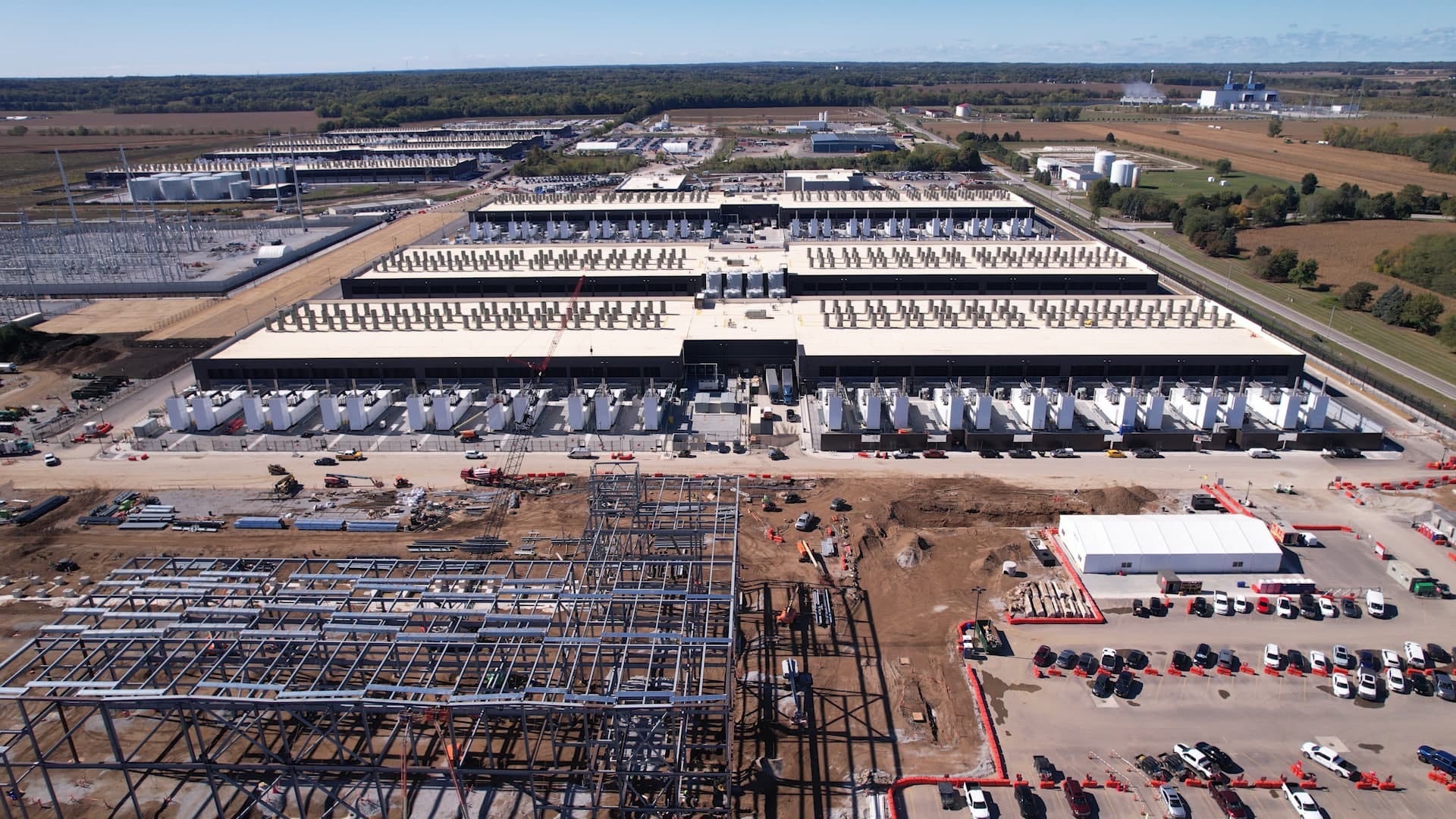
Frontier AI does not follow that model. The most advanced systems are developed and operated by private firms that rely on cloud infrastructure and advanced semiconductor supply chains. Governments clearly understand the strategic stakes. Export controls on high-end chips and competition over data center construction and critical minerals reflect this. Yet even with those tools, states do not run the leading models. Private companies train them, update them, and determine how they are deployed.

This is what some analysts describe as a “technopolar” moment. The argument is straightforward. Large technology firms are no longer just companies operating within a geopolitical system. Because they control critical digital infrastructure, their decisions now shape that system. They influence who can access advanced models and how those models are deployed. That influence carries strategic consequences.
States are adjusting in different ways. The United States relies heavily on private companies to drive AI development, and the key players in the space are based in the US. China integrates AI more directly into national planning. Europe has focused on writing regulatory frameworks. The approaches differ, but the underlying reality is the same: advanced compute and model capability now carry geopolitical weight.
Control over chips and large-scale training capacity has become a point of leverage. Export restrictions are not only trade policy. They affect who can build the next generation of systems. The competition is therefore not just technical. It concerns who shapes the infrastructure that other institutions depend on.
None of this sidelines governments. States still control law, budgets, and force. But they increasingly rely on systems they do not operate, and AI itself is beginning to takeover decision-making, at least at a low level. As AI becomes more embedded in how modern institutions function, the relationship between public authority and private capability grows more intertwined.
The question is no longer whether AI will disrupt markets. It is whether political systems can govern the infrastructure of intelligence itself. As capability concentrates in a small number of firms and models improve faster than governments can keep up, the debate shifts from innovation to authority.