


Greenland has unexpectedly become a focal point in the NATO alliance. Once defined by its remote geography and harsh climate, it now sits at the heart of debates over Arctic security, critical minerals, and new northern shipping routes. As the United States pressures European governments, their responses reveal a shift in alliance dynamics that would have been hard to imagine just a few years ago. The question is no longer whether the U.S. remains NATO’s dominant power (it is) but whether that dominance still ensures automatic compliance when interests diverge.
Greenland’s growing importance, and the lessons of history, become clear when strategic geography intersects with alliance politics and tests American influence. The 1956 Suez Crisis is a key example of how U.S. hegemony operated: not through direct command, but by imposing costs within an alliance. Greenland now presents a similar challenge, raising the same question: what happens when a dominant power cannot easily control a strategic chokepoint against partner resistance? This signals contested hegemony, not a lost empire.
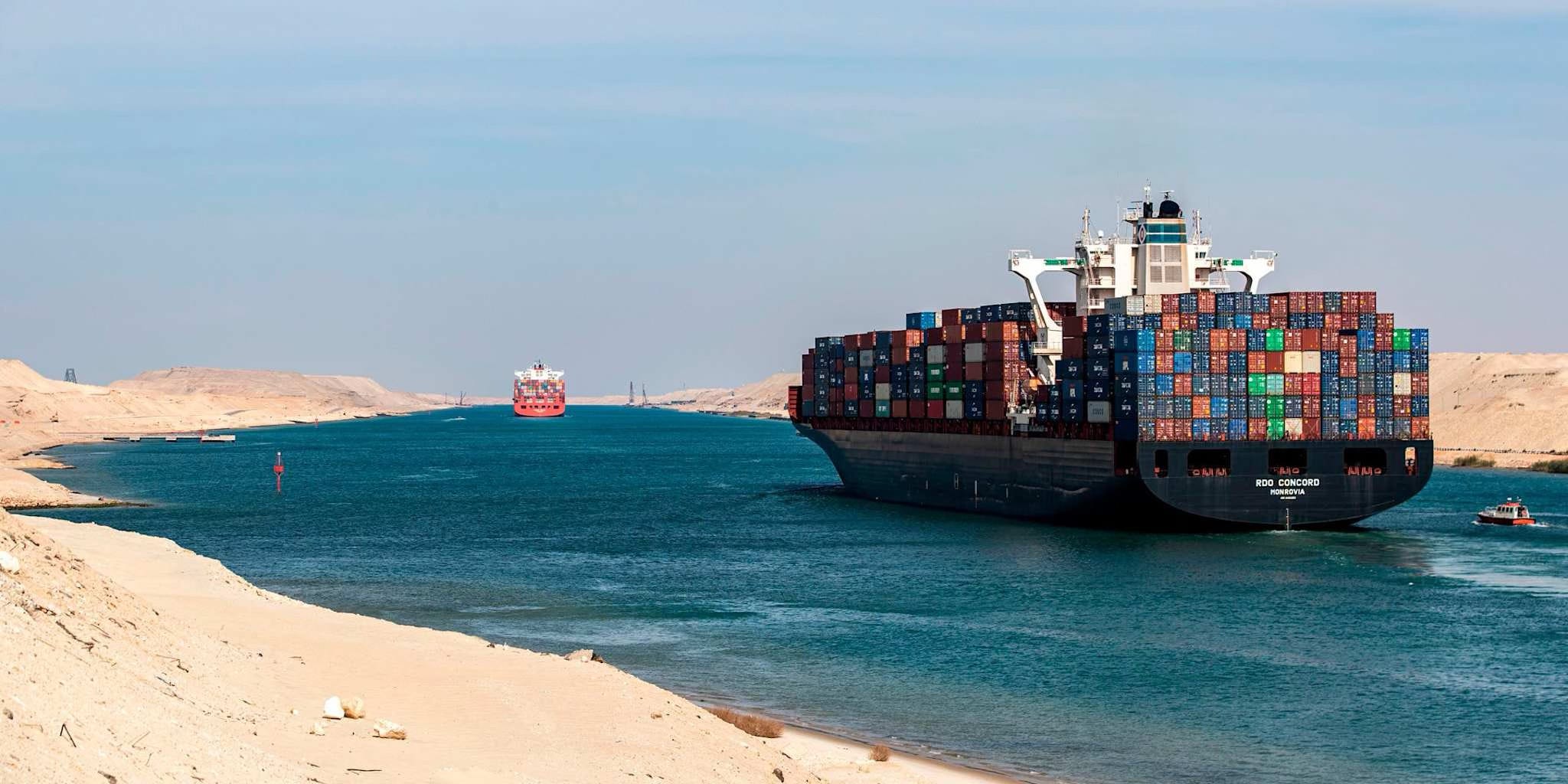
To understand why Suez matters so much, it’s important to grasp what the canal represented before the crisis. Since its opening in 1869, the Suez Canal was more than a commercial waterway. By shortening the journey between Europe and Asia, it underpinned Britain’s imperial logistics and its ability to project force to its colonies east of the Mediterranean. Even after Egypt’s formal independence following World War I, Britain kept military bases along the canal and controlled its operation.
In 1952, Egyptian military officer Gamal Abdel Nasser overthrew the monarchy, seeking true independence. By 1954, British forces were expelled, but the Suez Canal Company, based in Paris and controlled by British and French shareholders, still exercised quasi-sovereign authority in the canal zone. Both London and Paris saw Suez as vital to their global standing and economic security, especially as Europe’s reliance on Middle Eastern oil grew. Any disruption to Red Sea trade threatened Europe’s fragile postwar economies.
Tensions peaked when Western governments, alarmed by Nasser’s independence, withdrew funding for Egypt’s Aswan High Dam project in 1956. In response, Nasser nationalized the canal, presenting it as an assertion of Egyptian sovereignty and a way to finance national development. For British and French leaders, this was a serious challenge: a legal confrontation, a strategic threat, and a symbolic break from imperial power.
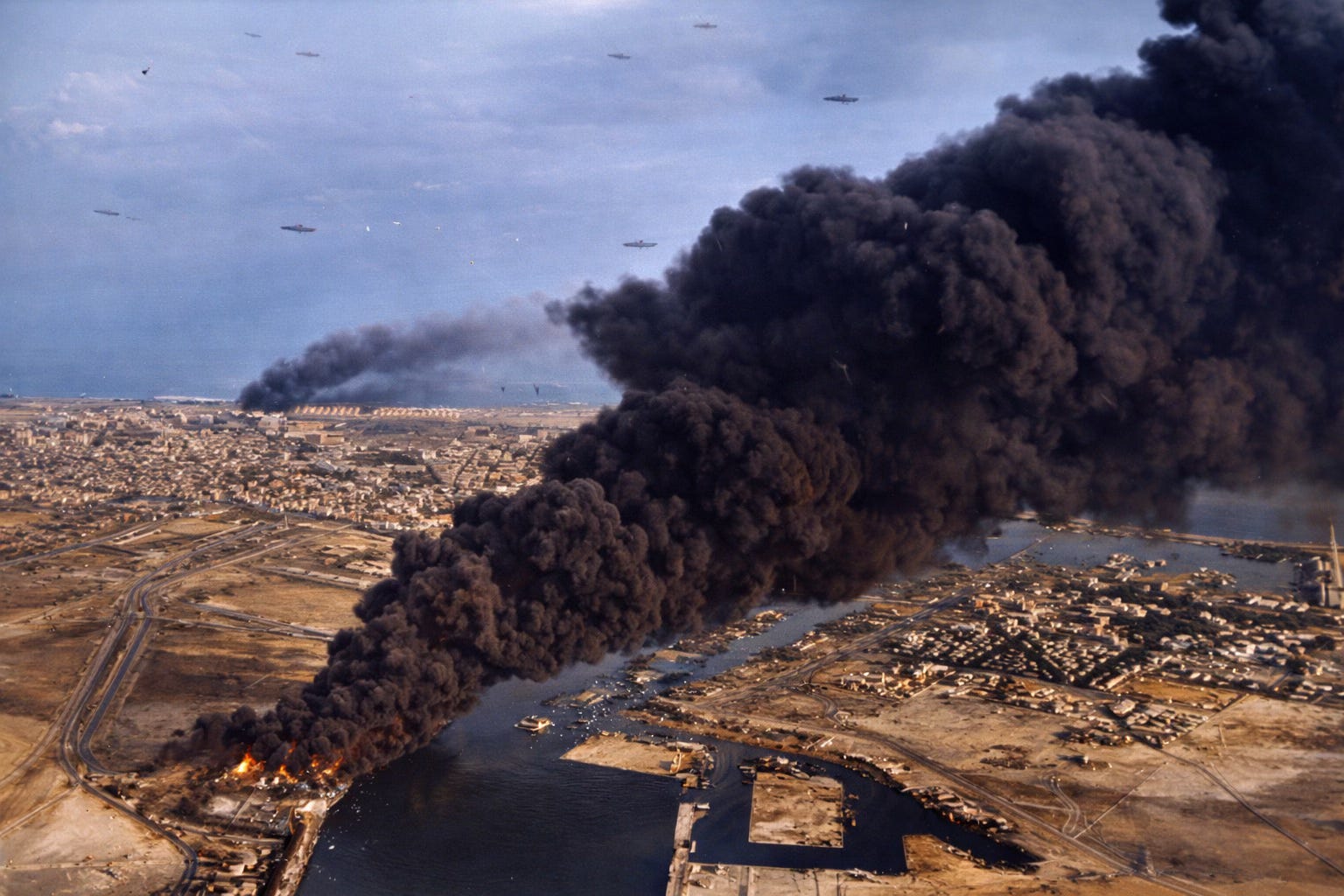
The crisis escalated rapidly. Britain and France saw Nasser’s move as a direct threat to trade and prestige and as a destabilizing force supporting anti-colonial movements, including those fighting French rule in Algeria. Israel, meanwhile, saw Egypt as a security threat and objected to Egyptian control over Red Sea access. These interests converged in a secret plan: in October 1956, Israel invaded Egypt’s Sinai Peninsula. Britain and France issued an ultimatum demanding withdrawal from the canal zone. When Egypt refused, Anglo-French forces intervened, bombing airfields and landing troops near the canal.
Militarily, the canal zone was quickly seized, but politically, the intervention collapsed almost immediately. U.S. President Dwight D. Eisenhower had not been consulted and strongly opposed the action. Washington feared the attack would destabilize the Middle East, alienate newly independent states, disrupt global trade, and invite Soviet intervention during the Cold War. For the U.S., allied use of force was a strategic liability, not a show of strength.
Britain, already under severe financial strain, faced a run on the pound sterling. When London sought emergency support, Washington signaled it would block assistance. France, less exposed but still reliant on U.S. financial backing, could not continue alone. In 1956, both countries were highly vulnerable to American economic pressure. Britain faced chronic dollar shortages and thin reserves, making U.S. support essential to prevent a currency collapse. France’s position was stronger but still depended on access to dollars within the postwar Bretton Woods system. Defying Washington meant immediate economic turmoil.
The U.S. consistently viewed European empires as costly and destabilizing, having played a role in triggering both world wars. Colonial wars drained allied resources and undermined Western influence in regions Washington wanted to pull away from Soviet alignment. American pressure helped push the Netherlands out of Indonesia, France out of Indochina and Algeria, and Britain out of Africa. Alliance membership did not protect imperial autonomy; decolonization advanced because resistance became unsustainable.
Today, the contrast is sharp. Europe remains dependent on global trade, including routes through the Red Sea and Arctic-adjacent waters, but it is no longer a capital-poor, dollar-starved collection of recovering states. Now, Europe is a large, resilient integrated market with its own currency, deep internal capital, and diversified trade partners. American leverage still exists, but it is no longer decisive.
This explains why Europe’s reaction to tensions over Greenland looks nothing like Suez. In 1956, disruption to trade routes and financial vulnerability left Britain and France no room to maneuver. Today, Europe is less economically exposed. Pressure inside the alliance now produces bargaining, delay, and partial resistance, not immediate submission. As European states rebuild military capacity and reduce dependence on U.S. protection, their room to maneuver will only grow.
Suez remains relevant because it shows how control over strategic geography can expose the limits of a “great power”. In 1956, the U.S. could impose its preferred outcome at a vital chokepoint because its allies lacked alternatives. Greenland presents a similar test under different conditions. The U.S. remains the dominant power, but no longer operates from a position of uncontested leverage. The issue is not the collapse of American power, but how far that power still carries when allies can afford to push back.